Entered
Figures4 min · 794 words
Working paper
88% of Executives Say Sustainability Creates Value
A 2026 Morgan Stanley study of 300 decision-makers found 88% believe sustainability creates commercial value, reshaping the CPA role from audit to assurance of ESG data.
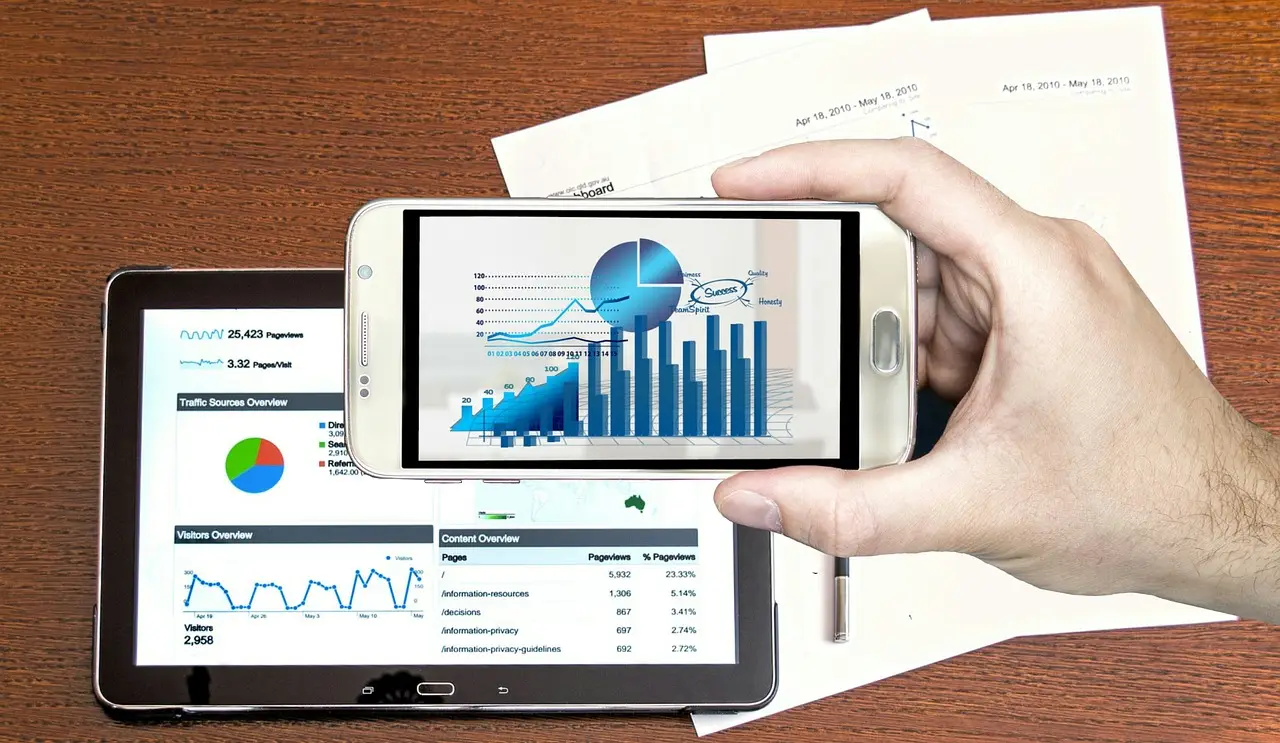
Eighty-eight percent of 300 corporate sustainability decision-makers surveyed worldwide in a 2026 study said sustainability creates commercial value, according to the Morgan Stanley Institute for Sustainable Investing. More than 90% reported ongoing progress on sustainability strategies, and 42% cited investor expectations as a primary motivation for their initiatives. The politically fraught decade has evidently not dampened the spreadsheets.
The numbers explain why Sustainability Accounting and Reporting (SAR), the measurement, management, and disclosure of sustainability-related information, keeps pulling accountants beyond their traditional ledger. Beyond preparing financial statements, conducting audits, and ensuring tax compliance, practitioners now analyze financial and nonfinancial information, evaluate emerging risks, and communicate insights that support strategic decisions.
What exactly does SAR cover?
SAR encompasses measurement, management, and disclosure of sustainability data, while Environmental, Social, and Governance (ESG, a framework for evaluating sustainability issues) provides the common vocabulary. Interest has grown because investors, lenders, customers, employees, and regulators recognize that environmental and social factors can materially affect performance and resilience.
The disclosure list is long and getting longer:
- Greenhouse gas (GHG) emissions
- Energy and water consumption, waste reduction, and recycling
- Workforce diversity, inclusion, health, and safety metrics
- Human rights, labor practices, and supply chain sustainability
- Cybersecurity, data privacy, and climate-related risks and opportunities
Climate change, resource scarcity, supply chain disruption, workforce management, data security, and governance practices all influence profitability and competitiveness, the analysis notes. Sustainability disclosures complement financial statements by offering insight into operational effectiveness, risk exposure, and future growth.
How did reporting become strategy?
Historically, many sustainability reports demonstrated corporate citizenship. Today the emphasis falls on materiality: identifying issues that meaningfully affect financial performance, risk exposure, and strategic objectives. Organizations now ask pointed questions, such as how climate risks affect future operations, which social issues influence competitive position, and how resilient supply chains are to environmental and social disruptions.
The answers have bound sustainability reporting to performance management, strategic planning, and governance. The profession's longstanding focus on measurement, controls, transparency, assurance, and reporting positions CPAs (Certified Public Accountants) to develop and communicate this information. Demand for SAR expertise is likely to remain strong, which is the polite way of saying the workload is growing.
Who is demanding the data?
Investors remain a principal driver, seeking information on climate risks, resource efficiency, human capital management, and governance to assess long-term performance. Expectations extend well beyond the investment community: customers, suppliers, employees, regulators, and local communities increasingly weigh environmental and social performance when choosing whom to engage with.
The pressure now travels down the supply chain. Many large organizations request sustainability information from suppliers and business partners as part of procurement and risk management. Companies with reliable data and strong performance may gain a competitive advantage; those without may struggle to secure contracts, access capital, or satisfy stakeholders. Sustainability reporting has become a tool for stakeholder confidence, not merely a brochure.
What changes for the CPA's role?
CPAs increasingly collect, analyze, verify, and communicate a broader range of organizational information. Alongside revenues, expenses, assets, and liabilities, accountants may assess GHG emissions, climate-related risks, human capital measures, resource utilization, and governance indicators, often collaborating with sustainability consultants and other specialists.
Advances in artificial intelligence and data analytics are transforming how this information is gathered and evaluated. CPAs are expected to use these tools to analyze large datasets, identify trends, improve reporting efficiency, and enhance decision support. The result: opportunities across public accounting, corporate finance, consulting, risk management, internal audit, and assurance services, with the CPA cast as trusted advisor.
What should accounting students learn?
Accounting programs, the analysis argues, should integrate sustainability concepts, data analytics, AI-enabled technologies, risk assessment, stakeholder communication, and ethical decision-making into the curriculum. Exhibit 1 of the source identifies key skillsets, adapted from IFAC's Equipping Professional Accountants for Sustainability (2024), its Sustainability Reporting Project (2025), and AICPA and CIMA resources:
- Sustainability reporting knowledge and disclosure interpretation
- Data analytics, visualization, dashboards, and AI
- Risk assessment and strategic thinking on climate and supply chain risks
- Assurance and verification of sustainability metrics
- Communication and stakeholder engagement
- Interdisciplinary collaboration with finance, operations, legal, IT, compliance, HR, and environmental specialists
SAR also builds on traditional competencies, per Exhibit 2: measurement becomes sustainability metrics; internal controls extend to nonfinancial reporting; auditing becomes assurance over sustainability disclosures; financial analysis becomes assessment of sustainability-related risks; and professional judgment applies to material sustainability issues.
The author, Tracey J. Niemotko, JD, CPA, CFE, a professor of accounting at Marist University in Poughkeepsie, New York, frames the shift as a broader transformation rather than an additional reporting requirement. Students combining sustainability, technology, and analytics with traditional accounting knowledge, she argues, will be prepared as strategic advisors and future leaders. The ledger, it seems, now runs on more than money.
Audit trail
- 88% of 300 surveyed sustainability decision-makers said sustainability creates commercial value (Morgan Stanley Institute for Sustainable Investing, 2026).
- More than 90% reported ongoing progress on sustainability strategies; 42% cited investor expectations as a primary motivation.
- Many large organizations now request sustainability data from suppliers as part of procurement and risk management.
- SAR skillsets draw on IFAC reports from 2024 and 2025 plus AICPA and CIMA resources.
via cpajournal.com (Source)
More from Sophie Lindqvist
Show full bio
Market editor covering technology and product news in corporate finance and the leaders who run it at CFO Observer.
261 articles
Cross-references
- COP31 Faces a $1.3 Trillion Annual Climate Finance Gap
- Global Regulators Levied $19.3bn in Fines During 2024
- Terrestrial Energy Beats by $0.05, Buys Back $25 Million as Cash Burn Rises
- Fusion Fuel (HTOO) Auditor Flags 2025 Statements as Unreliable
- Wendy's Names Steve Cirulis Chief Financial Officer and Chief Strategy Officer