RefE-758
Entered
Figures3 min · 688 words
Working paper
Allied Gold Posts $358 Million Quarter as Kurmuk Starts Up
Allied Gold posted $358 million in Q3 revenue as its Kurmuk mine began production, with plans for a base dividend in early 2027 and a buyback covering up to 10% of its float.
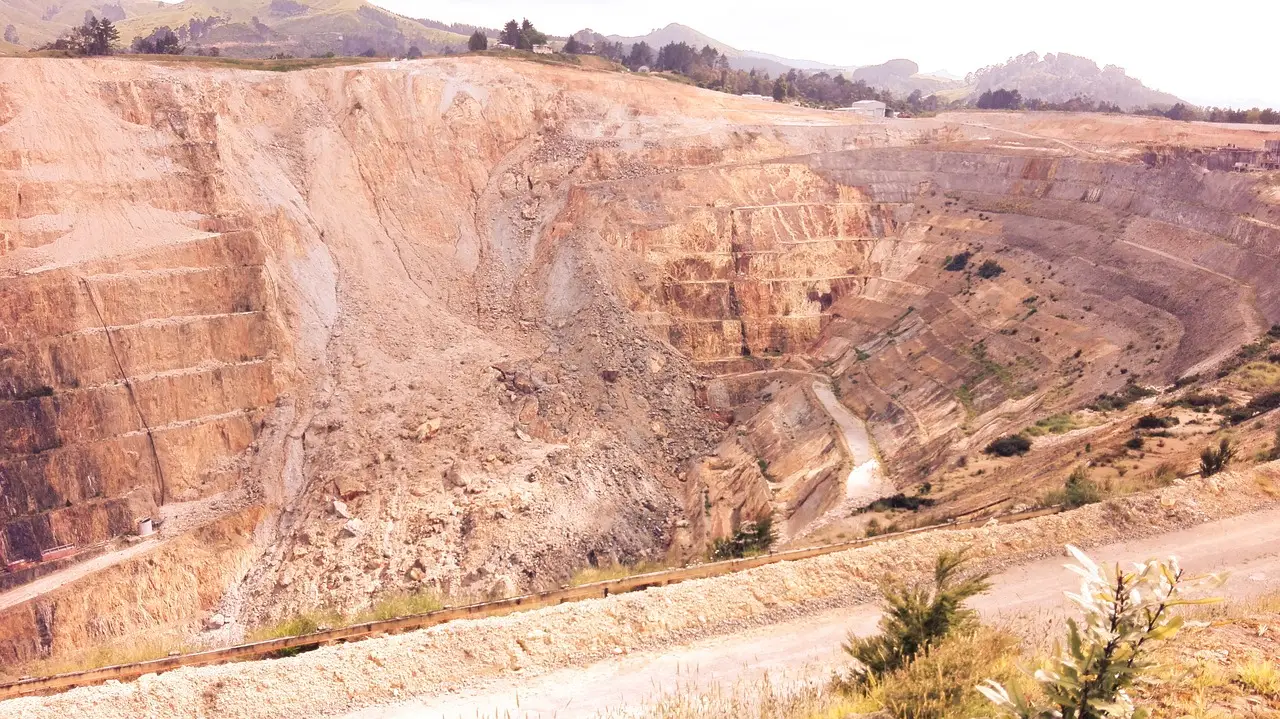
Allied Gold booked $358 million in third-quarter revenue and delivered a milestone that matters more than the quarter itself: its Kurmuk mine in Ethiopia has begun processing ore. Chairman and Chief Executive Officer Peter Marrone said ore had entered the processing plant, with commercial production expected by year-end and nameplate capacity early next year. The stage is now set for a jump in gold output — and, management argues, shareholder returns starting in 2027.
The quarter's numbers frame the transition. Allied generated $116 million in operating cash flow and ended September with roughly $379 million in cash. Adjusted EBITDA came in near $140 million. Adjusted net earnings reached $49 million, or $0.37 per share. Revenue rode an average realized gold price just under $3,900 per ounce against consolidated all-in sustaining costs of $2,378 per ounce. Total liquidity, counting an undrawn revolver, stood at $429 million.
How fast does Kurmuk ramp up?
The guidance is specific. Marrone expects 25,000 to 35,000 ounces from Kurmuk across November and December, then 55,000 to 65,000 ounces in the first quarter of 2027. Full-year targets follow:
- 240,000 to 270,000 ounces at Kurmuk in 2027;
- roughly 300,000 ounces at Kurmuk in 2028;
- 615,000 to 670,000 ounces companywide in 2027, up from about 379,000 expected this year;
- approximately 800,000 ounces annually by 2029.
Kurmuk should become Allied's lowest-cost operation, Marrone said, contributing disproportionately to cash flow as volumes build. The company's remaining gold collars, put on to support the mine's development, expire in December — increasing exposure to prevailing prices.
Power is the near-term variable. The mine runs on grid power with diesel-generator backup, and equipment to stabilize the transmission line should connect in the third or fourth week of November. That, Marrone said, provides enough power to run the plant at nameplate. Chief Development Officer Gerardo Fernandez put the stockpile at about 1.5 million tons, with medium- and high-grade material averaging 1.7 to 1.8 grams per ton. A ceremonial gold pour with government officials is expected within days.
What changed at Sadiola?
Sadiola in Mali produced about 42,300 ounces in the quarter at all-in sustaining costs of $2,876 per ounce. Some operating improvements were deferred during the now-terminated Zijin transaction process, Marrone said. Since then, Allied has ended short-term equipment contracts and amended its main mining contract to include fleet reliability and availability commitments.
Fourth-quarter Sadiola output should rise 20% to 25% from the third, mainly on better grades. A modular expansion targets capacity of at least 7 million tons per year, with an updated feasibility study and capital estimate due in early 2027. A pre-leach thickener is slated for commissioning in the second quarter. Diesel inflation bites harder here than at Kurmuk because Sadiola depends on it more heavily, including for its plant — an estimated $80 per ounce of added cost, with no supply-chain disruptions reported.
In Côte d'Ivoire, Bonikro produced roughly 28,600 ounces at $1,670 per ounce on higher grades and better recoveries, while Agbaou delivered 20,300 ounces at $2,384 per ounce, in line with plan and better than expected on cost.
When do shareholders get paid?
A base dividend should arrive early next year, subject to board conclusions and cash-flow expectations, and Marrone said he expects it to be at least in line with peer-group practices. A buyback follows in 2027: subject to Toronto Stock Exchange approval, Allied intends to seek a normal course issuer bid covering up to 10% of its public float. The authorization could land by year-end or early next year, depending on the regulatory process; timing of actual purchases will weigh liquidity and shareholder concentration.
Allied Gold, a Canada-based producer focused on West Africa and publicly traded since 2023, is betting that Kurmuk's ramp, the Sadiola expansion and steady output from Côte d'Ivoire can fund that return of capital. In plain terms: production nearly doubles in 2027, and the cash follows.
Audit trail
- Allied Gold reported $358 million in Q3 revenue with adjusted net earnings of $49 million, or $0.37 per share.
- Kurmuk began processing ore, targeting commercial production by year-end and 240,000–270,000 ounces in 2027.
- Companywide production is guided at 615,000–670,000 ounces in 2027, up from roughly 379,000 this year.
- A base dividend is expected early next year, with a buyback of up to 10% of public float planned for 2027.
- Sadiola Q4 output is expected to rise 20–25% versus Q3, with all-in sustaining costs at $2,876 per ounce last quarter.
via dailypolitical.com (Source)
More from Amara Osei
Show full bio
Senior reporter covering companies, deals and strategy in corporate finance and the leaders who run it at CFO Observer.
112 articles
Cross-references
- Wheaton Precious Metals Revenue Jumps 79.5% to Record $2.6 Billion
- Ivanhoe resets copper output plan as open pits expand
- First Majestic Silver Posts 38% Revenue Rise Amid Strikes and Tax Talks
- Northern Oil and Gas lifts 2026 output outlook as margins recover
- Russel Metals Q3 revenue rises 56% as Kloeckner lifts profit