RefE-049
Entered
Figures2 min · 454 words
Working paper
Bank of America, Wells Fargo and Truist Bring Q3 Numbers After Fed Rate Hike
Bank of America, Wells Fargo and Truist report Q3 earnings this week — the first bank results since the Fed lifted rates again, with margins and credit demand in focus.
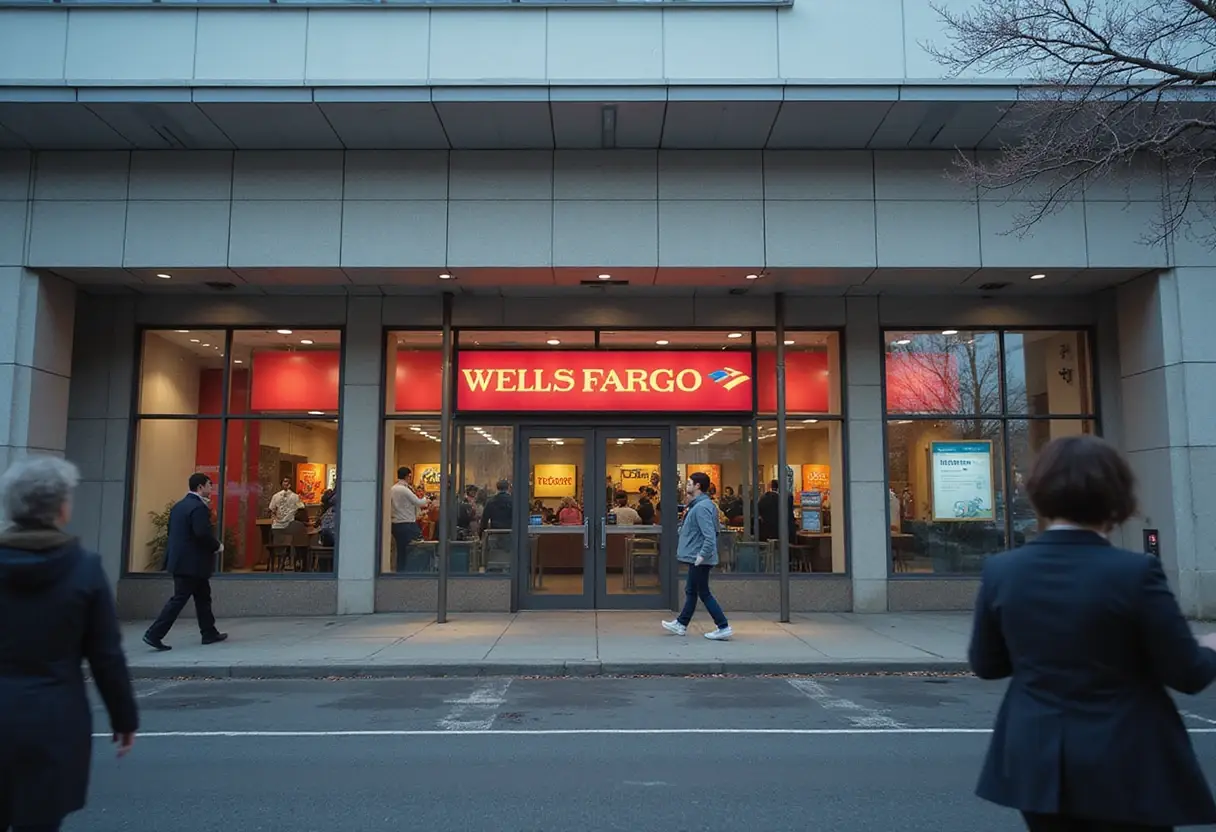
Bank of America, Wells Fargo and Truist report third-quarter earnings this week, the first full set of bank results since the Federal Reserve raised its benchmark rate again. The three lenders, with combined assets measured in the trillions of dollars, will give investors the clearest read yet on how higher funding costs are flowing through deposit books, loan margins and credit lines across the banking sector.
The reports arrive at a moment when rate moves dominate every line of the income statement. The Fed's latest hike, delivered after a run of increases stretching back to 2022, has repriced both sides of the balance sheet. Banks earn more on floating-rate loans tied to short-term benchmarks, yet pay more to retain deposits that customers keep moving into higher-yielding alternatives.
What should CFOs watch in the loan books?
For finance teams banking with these institutions, the quarter will show where credit demand is heading. Higher rates cool borrowing: corporations pause expansion plans, refinance less and draw on committed lines more cautiously. Loan growth figures from Bank of America, Wells Fargo and Truist will signal whether that cooling accelerated through the summer months.
Provisions for credit losses deserve equal attention. Card portfolios and commercial real estate loans are the two categories analysts watch most closely when rates climb, because borrowers carry heavier service costs and lenders set aside more reserves against potential defaults.
- Net interest income: the spread between what the banks earn on loans and pay on deposits
- Loan growth and demand trends across commercial and consumer books
- Credit-loss provisions, particularly in cards and commercial real estate
- Deposit flows and the pricing pressure from customers chasing yield
How will the rate hike shape guidance?
Each bank's forward commentary may matter more than the quarter itself. Executives will field questions on deposit repricing, on the pace of loan demand into year-end, and on how much of the Fed's tightening has already reached their customers.
Wells Fargo operates under an asset cap that still constrains its balance sheet, so its margins and cost discipline carry particular weight. Bank of America, with one of the largest consumer deposit franchises in the country, will show how sticky retail deposits remain at higher rates. Truist, formed from the 2019 merger of BB&T and SunTrust, gives a regional-bank view of commercial lending demand.
Bank earnings season opens with these three names, and the rest of the sector follows. Their results set the tone.
The takeaway in plain words: the first post-hike bank reports will show whether higher rates are lifting bank profits or squeezing them, and treasurers should read the loan-demand numbers as a gauge of broader corporate borrowing conditions.
Audit trail
- Bank of America, Wells Fargo and Truist report third-quarter earnings this week
- The reports are the first bank results since the Federal Reserve's latest rate hike
- The Fed's increases stretch back to 2022
- Wells Fargo remains under an asset cap; Truist was formed from the 2019 BB&T–SunTrust merger
via Google News: corporate earnings results (Source)
More from Amara Osei
Show full bio
Senior reporter covering companies, deals and strategy in corporate finance and the leaders who run it at CFO Observer.
63 articles