RefE-624
Entered
Figures4 min · 890 words
Working paper
Baytex lifts 2029 output target after CAD 139 million free cash flow
Baytex targets 92,000 BOE/d in 2029 after CAD 139 million of third-quarter free cash flow, with Duvernay efficiency lifting 2027 output and buybacks supporting shareholder returns.
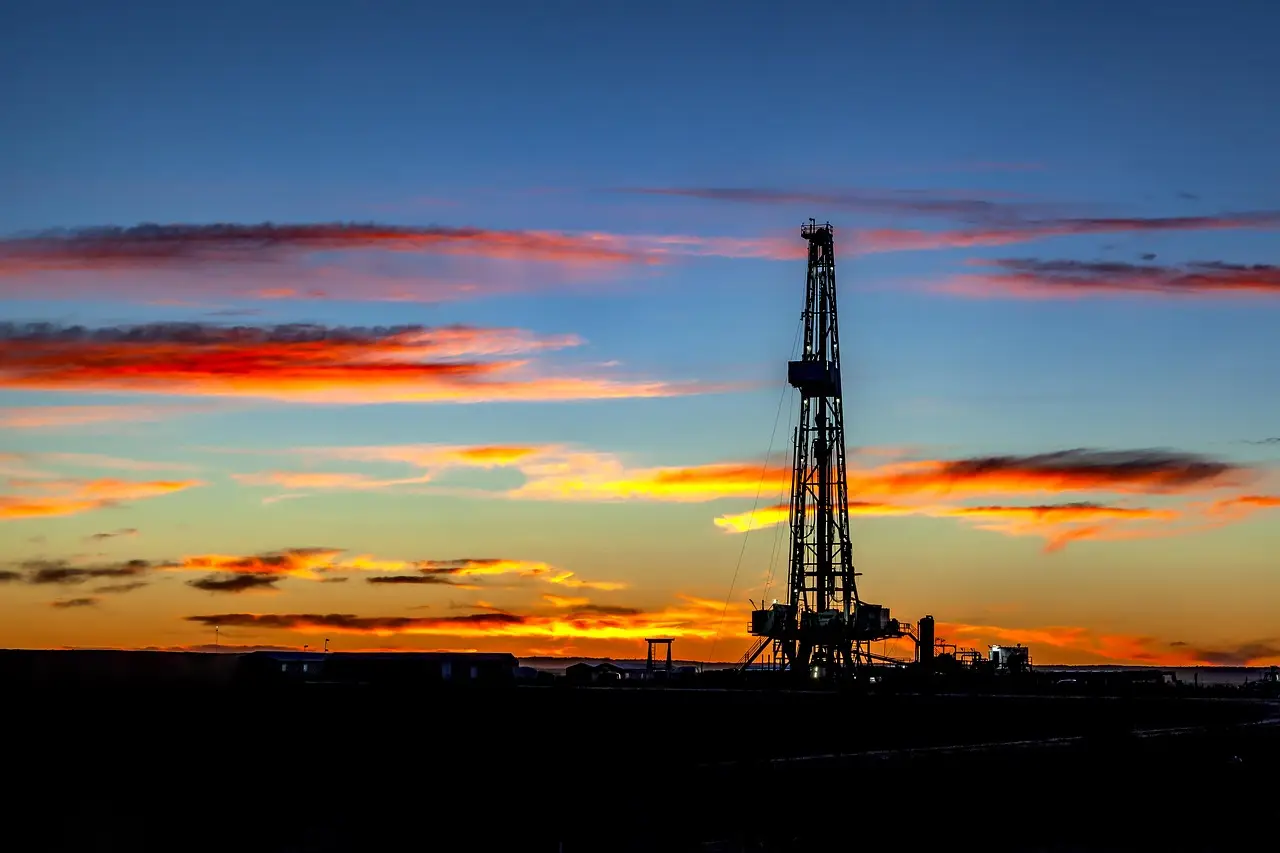
Baytex Energy reported CAD 139 million of third-quarter free cash flow and set an updated target of 8% to 10% annual production growth through 2029, reaching roughly 92,000 barrels of oil equivalent per day.
On its earnings call, President and CEO Chad Lundberg tied the faster schedule to better capital efficiency, lower operating costs and stronger execution across the Duvernay and heavy oil portfolio.
For 2027, the company expects output of 76,000 to 79,000 BOE/d, representing annual growth of 7% to 11%. Exploration and development spending of CAD 775 million to CAD 850 million will support that program, while the updated three-year outlook averages about CAD 800 million of capital spending a year.
President and CEO Chad Lundberg said: “This acceleration is driven by efficiency gains, not a change in our commitment to capital discipline.”
What did Baytex report in the third quarter?
- Third-quarter production averaged 71,606 BOE/d, up approximately 5% from a year earlier, while exploration and development expenditures totaled CAD 186 million.
- Adjusted funds flow reached CAD 330 million, or CAD 0.48 per basic share, CFO Chad Kalmakoff said.
- Shareholder returns totaled CAD 165 million, including CAD 149 million used to repurchase 24 million common shares. Baytex also paid a quarterly dividend of CAD 0.0225 per share.
- Net cash stood at CAD 522 million at quarter-end.
For 2027, Baytex initially allocated CAD 150 million to repurchases and expects to maintain the quarterly dividend. Kalmakoff said the buyback allocation could change with market conditions and other capital opportunities. The company expects the dividend to continue, while the repurchase allocation can change.
How are costs and spending changing?
Baytex raised its 2026 exploration and development spending forecast to CAD 665 million from CAD 625 million. It lowered operating-cost guidance to approximately CAD 13.30 per BOE from a previous range of CAD 13.75 to CAD 14.25, but raised transportation-cost guidance to approximately CAD 3.75 per BOE.
Lundberg attributed part of the operating-cost improvement to higher volumes spreading fixed costs across more production. He also cited equipment-maintenance changes and changes to well operations that reduced wear and repair costs. The cost guidance moved in Baytex’s favor even as development spending increased.
What is driving the Duvernay acceleration?
Duvernay production reached a quarterly record of 12,800 BOE/d. COO Kendall Arthur said a five-well pad in northern Pembina, brought on stream in late August, generated average 30-day initial production of 1,489 BOE/d per well, including 973 barrels per day of oil.
Full-length 2026 Duvernay wells averaged CAD 930 per foot of completed lateral in drilling and completion costs, 11% below 2025 levels. Shorter cycle times allowed Baytex to add two wells to its 2026 drilling program, lifting the total to 19: 13 are expected on stream this year and the remaining six in 2027.
For 2027, roughly 40% of capital investment will go to Duvernay. Baytex plans to bring 21 wells on stream and lift average play production to approximately 18,000 BOE/d, with a fourth-quarter rate of 22,000 to 23,000 BOE/d.
The company now expects Duvernay output to reach 25,000 BOE/d in the second half of 2028, about 1½ years earlier than previously planned. Arthur said acquisitions during the year expanded the land position by 16% to 106,000 net acres. The result is a larger 2027 program and an earlier 2028 production target.
Which projects could absorb more capital?
Baytex plans to place approximately 130 heavy oil wells on stream in 2027 and expects modest production growth to approximately 48,000 BOE/d from that portfolio. Its 2027 schedule also includes a one-rig Viking program with 66 net wells expected on stream.
Baytex is testing waterflood projects at Peavine and Morinville. Lundberg expects a response from the Peavine pilots by mid-2027. If early indicators meet expectations, the company could add CAD 20 million to CAD 30 million of capital in the second half of 2027 to begin expanding the project.
For its Gemini modular steam-assisted gravity drainage project, Baytex targets a final investment decision in the second half of 2027. The current plan includes CAD 10 million for further project work; approval could bring roughly another CAD 50 million of spending in late 2027, followed by higher capital spending in 2028 and first oil in 2029. Capital commitments therefore remain staged behind pilot results and project approval.
Lundberg said Viking is not core to the business and Baytex could consider monetizing it at the right time, potentially in a higher-price environment. The 2027 plan therefore pairs drilling commitments with project options and a possible Viking sale.
Where does Baytex operate?
Baytex Energy Corp. (NYSE:BTE), founded in 1993 and publicly traded since 2010 after operating as an income trust, is a Calgary-based oil and natural gas exploration and production company. It develops crude oil, condensate, natural gas liquids and natural gas in the Western Canadian Sedimentary Basin in Alberta and Saskatchewan and the Eagle Ford shale in South Texas.
The company sells light oil, heavy oil and natural gas into North American energy markets. Baytex’s near-term growth depends on the 2027 drilling program, while Peavine expansion and Gemini remain conditional.
Audit trail
- Third-quarter free cash flow was CAD 139 million as Baytex targeted 92,000 BOE/d in 2029.
- 2027 production guidance is 76,000-79,000 BOE/d, up 7%-11% annually.
- Third-quarter production averaged 71,606 BOE/d, approximately 5% above a year earlier.
- Baytex returned CAD 165 million in the quarter, including CAD 149 million for 24 million share repurchases.
- Duvernay output is expected to reach 25,000 BOE/d in the second half of 2028, about 1½ years early.
via dailypolitical.com (Source)
More from Amara Osei
Show full bio
Senior reporter covering companies, deals and strategy in corporate finance and the leaders who run it at CFO Observer.
112 articles
Cross-references
- Northern Oil and Gas lifts 2026 output outlook as margins recover
- CSX Posts Record $4.02 Billion Quarter on 12% Revenue Jump
- Russel Metals Q3 revenue rises 56% as Kloeckner lifts profit
- Texas Pacific Land posts record Q3 as water royalties surge
- Canadian Natural Hits Debt Target Early, Lifts Buybacks to C$800 Million a Month