Entered
Figures4 min · 787 words
Working paper
FAA Ground Stop Canceled 17,850 Flights and the Bill Is Coming
A four-hour FAA ground stop cascaded into 17,850 cancellations over three days, exposing airline ground operations still running on radios, spreadsheets and paper.
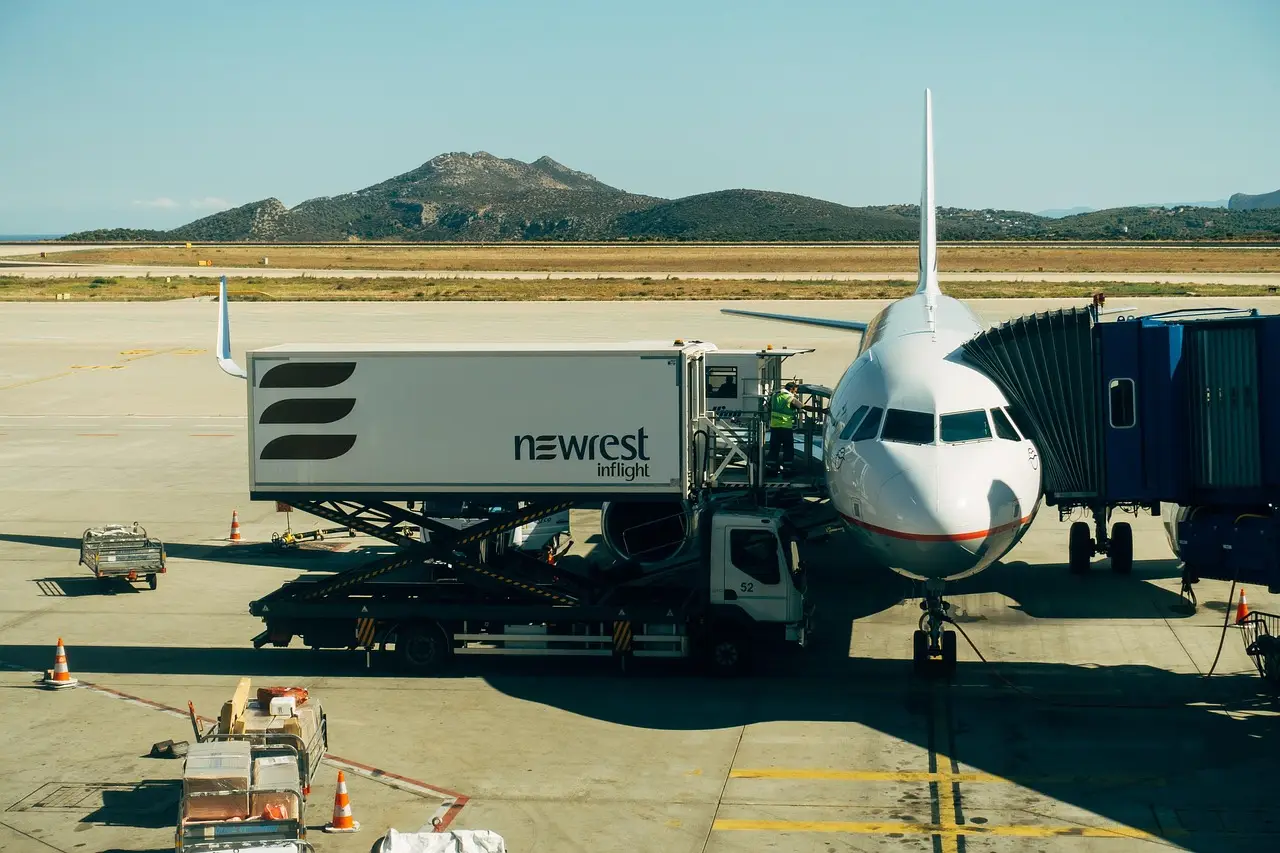
Roughly 17,850 flights were canceled across three days after the Federal Aviation Administration ordered a rare nationwide ground stop on Friday. FlightAware counted 9,201 cancellations on Friday, 6,698 on Saturday and at least 1,956 by Sunday evening, covering flights within, into or out of the U.S. More than 1.5 million passengers were scheduled to depart from U.S. airports when the order took effect.
The agency lifted the stop after more than four hours, but two days later airlines were still struggling to restore schedules. For finance teams at carriers and their suppliers, the episode is a live case study in operational leverage — how a four-hour systems failure converts into a multi-day revenue event.
What triggered the ground stop?
Only two other nationwide ground stops have been ordered this century: after the September 11, 2001 attacks and during an FAA computer system failure in January 2023. This one was serious enough to activate the White House Situation Room and the national security apparatus, with FBI personnel also investigating. FAA Administrator Bryan Bedford confirmed the federal response; officials found no evidence of a cyberattack.
Instead, investigators linked the disruption to a flood of data that overwhelmed parts of the FAA's aging telecommunications network, interfering with air traffic control communications and radar feeds. According to the FAA's preliminary investigation, the excess data may have originated from two locations: a radar site in Amarillo, Texas, and a radio communications site in El Dorado, Arkansas, where contractor L3Harris had been installing a new router. The precise cause remains under investigation.
The timing drew attention because a global Microsoft outage had disrupted police departments, courts, hospitals and government services a day earlier. Microsoft said there was no indication the FAA event was related to its services.
Why can't airlines simply hit restart?
Restarting the system was the easy part. Getting aircraft, crews and schedules back in sync is harder, and much of that work still runs on radios, spreadsheets and manual communication, according to Javier Vidal, co-founder and CEO of Moonware, a company that develops software to coordinate airport ground operations.
"Many airlines operate flights where the plane goes to one city and then it goes to the next city and then it goes to the next city," Vidal told Fortune. "So it's not like there's one big ground stop and then everything can resume normally… Those planes need to be repositioned to the right cities."
Ground crews must refuel, clean, restock and unload each aircraft before it departs again, and workers are often assigned to multiple aircraft. "If that first plane is late, then the other plane also gets late," Vidal said. During widespread disruption, crews may struggle to track what each aircraft still needs: "They don't know what operations have already happened to the plane or what operations still need to happen to the plane."
Task assignments based on scheduled arrival times, which rarely match reality, compound the problem. Vidal attributed the industry's reliance on dated methods partly to an "if it's not broken, don't fix it" mentality. "Walkie-talkie and paper just doesn't cut it anymore," he said.
The frustration extends to air traffic control itself. Delta CEO Ed Bastian has said controllers' screens "look like something out of the 1960s and '70s," noting that flying from Atlanta to New York takes longer today than when Delta launched the route in the 1950s. He has also argued that air traffic control is AI's biggest opportunity in aviation.
What does the disruption cost?
Airlines face expenses from repositioning aircraft, rescheduling crews and accommodating stranded passengers, while delayed cargo can disrupt businesses downstream. The total financial impact of Friday's shutdown has not yet been established, but precedent sets the scale: after a faulty CrowdStrike update triggered roughly 7,000 cancellations over five days in July 2024, Delta estimated a $380 million revenue hit and $170 million in added expenses, partly offset by $50 million in fuel savings — a net cost of about $500 million.
When will flights return to normal?
Bedford said Saturday that airlines expected normal schedules by the end of Sunday. The FAA said Sunday its system was stable, even with almost 2,000 flights still canceled and 9,000 delayed. Delta encouraged passengers with flexible plans to move flights to Monday, Nov. 16, or later.
About 5.2% of scheduled U.S. departures were canceled Sunday, versus an average of 3.4% before Friday's disruption, according to aviation analytics firm Cirium. "This usually takes a few days to recover," Vidal said, expecting normal operations early this week. "I don't think it'll take much longer."
Audit trail
- Roughly 17,850 flights were canceled over three days: 9,201 Friday, 6,698 Saturday, at least 1,956 Sunday.
- The FAA lifted the nationwide ground stop after more than four hours; more than 1.5 million passengers were scheduled to depart.
- A comparable July 2024 disruption cost Delta a net $500 million.
- The FAA preliminary probe points to excess data from a radar site in Amarillo, Texas, and a radio site in El Dorado, Arkansas.
- Sunday's cancellation rate was 5.2% versus a 3.4% pre-disruption average, per Cirium.
via fortune.com/feed/ (Source)
More from Marcus Bennett
Show full bio
Correspondent covering people, launches and day-to-day practice in corporate finance and the leaders who run it at CFO Observer.
277 articles
Cross-references
- FAA Ground Stop Traced to Router Flood: 1,000 Attempts Every Four Seconds
- FAA Halts All U.S. Takeoffs Friday as Telecom Outage Grounds Millions
- 100,000 CVEs and Four U.S. Outages: The 'Vulnpocalypse' Math CFOs Cannot Ignore
- Three US Outages in Five Days Raise Unanswered DDoS Questions
- FEMA Officials Pull Extra Cash as Outage Wave Rattles Agencies