RefE-568
Entered
Figures4 min · 892 words
Working paper
Fox Closes $22 Billion Roku Deal With $400 Million Savings Target
Fox closed its $22 billion Roku acquisition on Nov. 6, combining a fast-growing streaming platform with record earnings and a $400 million annual cost-savings target under regulatory limits.
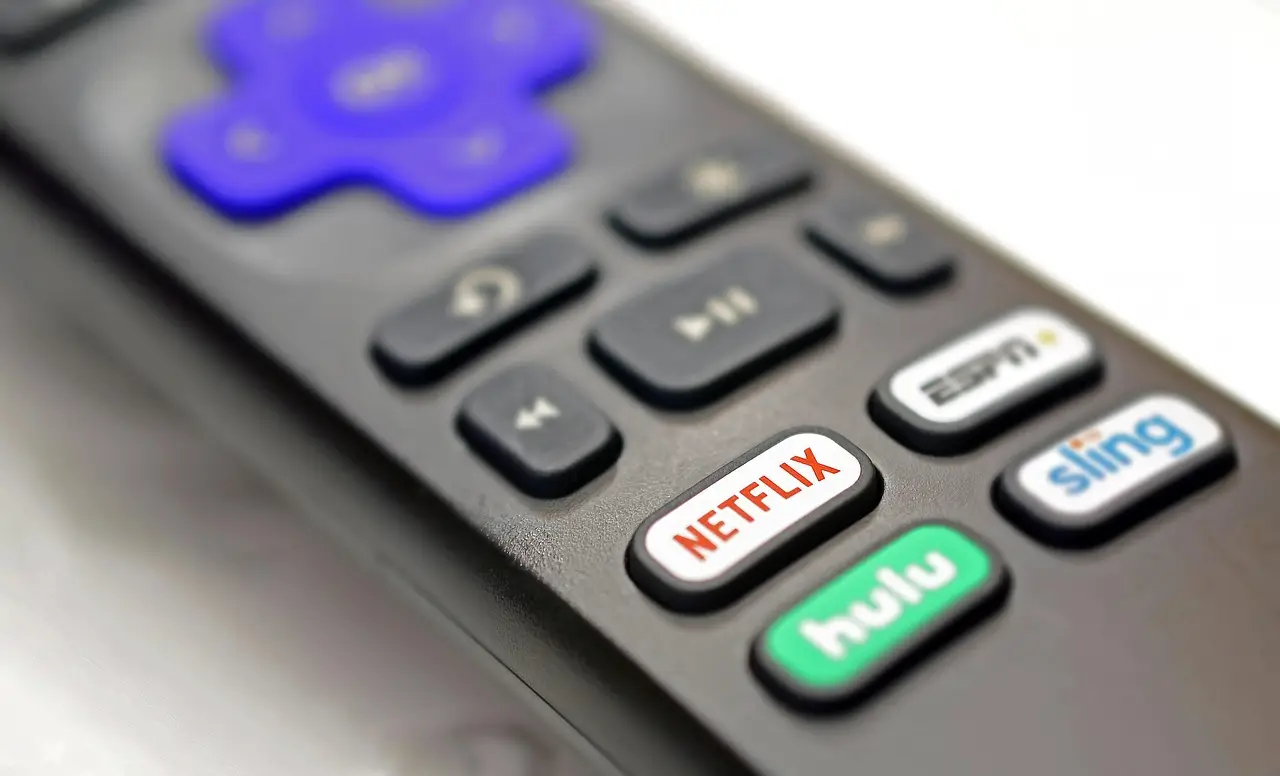
Fox's $22 billion Roku acquisition closed on Nov. 6, 2026, four days after both companies posted strong quarterly results, leaving the media group to prove that its expanded streaming business can produce durable earnings and free cash flow.
What did Fox buy, and who controls it?
Under the cash-and-stock terms announced June 15, Roku shareholders received $95.30 in cash and 0.9799 Fox Class A shares for each Roku share. Former Fox shareholders now own about 74% of the combined company; former Roku holders own the remaining 26%.
Fox said the deal would create a leader in scaled media and technology with superior reach, engagement and monetization. The combination links Fox's premium live content to Roku's platform, whose network reaches more than 100 million households worldwide, and expands Fox's connected-TV advertising capabilities.
Roku founder Anthony Wood joined Fox's board and serves as co-chair of the new Fox Digital Platforms division. CEO Lachlan Murdoch called the acquisition "a defining moment for Fox" and described it as a natural extension of a nearly decade-long strategy centered on live news, sports and the 2020 Tubi acquisition.
The deal shifts Fox further toward higher-growth streaming while retaining its established advertising and distribution operations, but it also leaves shareholder returns tied to integration.
How strong was Roku before the deal?
Roku's final earnings report as an independent public company showed the growth Fox had bought.
- Q3 EPS reached $1.20 against a $0.55 consensus estimate. Revenue rose more than 24% year over year to $1.5 billion, above the $1.41 billion analyst expectation.
- Net income climbed about 639% year over year, from $24.8 million to $183.3 million, while adjusted EBITDA more than doubled to $248.8 million.
- Advertising revenue grew 23% to $727 million, its ninth consecutive quarter of double-digit growth. Gross margin reached 63.2%, roughly 470 basis points higher, as the mix moved toward higher-margin products.
- Subscription revenue rose 23% to $581 million on demand for Roku's subscription and billing services. Advertising and subscriptions together produced about $1.3 billion in platform revenue.
- Roku generated about $796 million in trailing 12-month free cash flow before the combination.
- Devices revenue rose 33% to $194 million, but the segment posted a $48.6 million gross loss as higher memory costs weighed on profitability.
Fox can emphasize Roku's advertising and subscription businesses, but hardware losses and the need to preserve advertiser, content-partner and viewer support will shape the result.
The acquired platform supplied growth and cash, though its weakest economics remained in devices.
How strong was Fox before the deal?
Fox entered the transaction with record fiscal first-quarter results.
- Fiscal Q1 2027 adjusted EBITDA rose 54% year over year to a record $1.64 billion. Adjusted EPS of $2.54 beat the roughly $2.06 consensus, while revenue increased 22% to a record $4.57 billion, above the $4.32 billion estimate.
- Advertising revenue climbed 47%, aided by the 2026 FIFA Men's World Cup, political advertising and digital growth. Distribution revenue rose 9%.
- Tubi revenue increased 35% and view time rose 23%. Management said growth continued into the current quarter and expected roughly 20% margins at maturity.
Major sporting events and political spending can fluctuate between reporting periods, so Fox still has to separate event-driven advertising gains from underlying streaming growth.
At the Nov. 10, 2026 market snapshot, Fox's listed 52-week range was $44.08 to $68.18, dividend yield 0.97%, P/E ratio 12.70 and price target $79.50. The accompanying table listed Roku at $159.65, down 0.5%, with no dividend, a 47.23 P/E ratio, a Hold consensus and a $156.22 target; its MarketRank score was 2.3999 out of five.
Fox had ample momentum at closing, but recurring streaming performance matters more than another event-assisted quarter.
What did regulatory clearance require?
Regulatory review had focused on whether Fox might favor its own streaming services over competitors using Roku. The Justice Department closed its antitrust investigation on Nov. 6 after Fox promised to keep Roku an "open and neutral content partner."
- Continue carrying competing content.
- Avoid discrimination against non-Fox services in search results.
- Maintain protections for sensitive third-party data.
Those commitments limit how Fox can integrate and monetize Roku, and preserving relationships with rival content providers remains central to the platform's long-term health.
Regulatory clearance removed the closing risk, not the obligation to run Roku neutrally.
What must Fox prove next?
Fox expects approximately $400 million in annualized cost savings within two years and anticipates that the deal will increase free cash flow per share by the second full year after closing. It funded the cash consideration with cash and debt financing, putting more weight on balance-sheet management and free cash flow generation.
Because Roku no longer trades independently, the operating evidence now sits inside Fox's results. The main tests are Roku's advertising and subscription growth, Tubi's expansion and progress toward the savings target.
The acquisition will stand or fall on whether those gains translate into sustained earnings and free cash flow rather than merely a larger revenue base.
Execution, not market enthusiasm, will decide whether the $22 billion purchase earns its cost.
Audit trail
- Fox completed its $22 billion Roku acquisition on Nov. 6, 2026.
- Roku holders received $95.30 in cash and 0.9799 Fox Class A shares per Roku share.
- Former Fox shareholders own about 74% of the combined company, while former Roku holders own 26%.
- Fox expects $400 million in annualized savings within two years and higher free cash flow per share by the second full year.
- The Justice Department closed its antitrust review on Nov. 6 after Fox promised to keep Roku open and neutral.
via marketbeat.com (Source)
More from Amara Osei
Show full bio
Senior reporter covering companies, deals and strategy in corporate finance and the leaders who run it at CFO Observer.
138 articles
Cross-references
- SpaceX Earnings Watch: Starlink Growth, AI Revenue and Merger Talk
- Disney Beats Earnings Estimates on Parks, Streaming Strength
- New York Times Adds 420,000 Digital Subscribers, Beats on Revenue
- Netflix Earnings Forecast Misses Wall Street Expectations, Shares Slide
- Fox Posts $4.21B Q4 Fiscal 2026 Revenue, $696M Net Income