RefE-193
Entered
Figures3 min · 689 words
Working paper
Grocery Outlet Returns to Positive Comps in Q3, but Margins Slip
Grocery Outlet's Q3 comps rose 0.5% on 2.4% traffic growth, beating guidance, while adjusted EBITDA fell to $59.4 million from $66.7 million a year earlier.
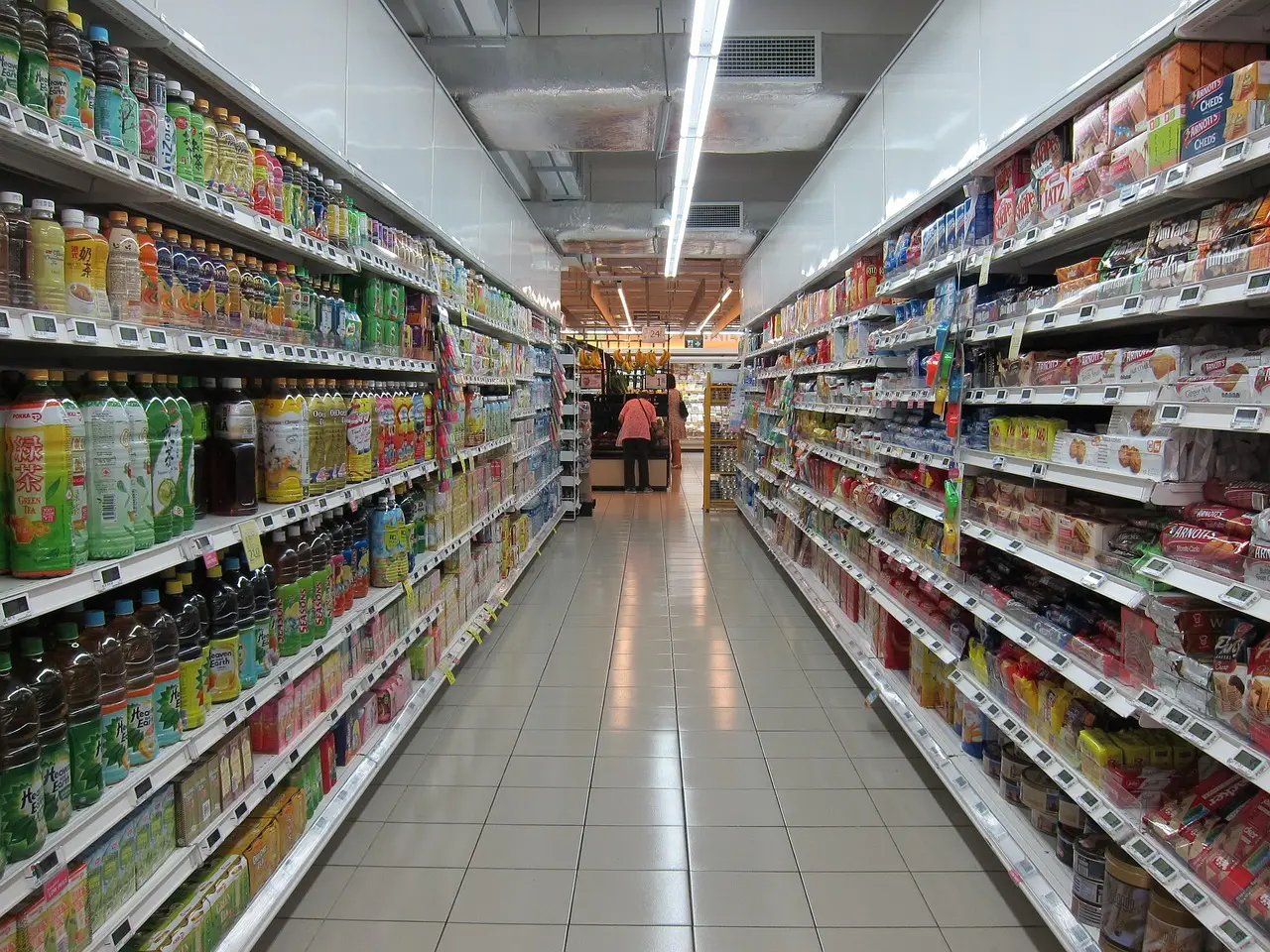
Grocery Outlet posted comparable-store sales growth of 0.5% in the third quarter of fiscal 2026, beating its own guidance of a 1% decline to flat, as net sales rose 0.9% to $1.18 billion for the quarter ended October 3. The turnaround in the top line, however, arrived alongside thinner margins and lower adjusted earnings. The discount grocer, it seems, bought its customers back at a discount.
What drove the comparable-sales recovery?
Customer traffic rose 2.4% during the quarter, partly offset by a 1.9% decline in average basket size. President and CEO Jason Potter attributed the improvement to a greater emphasis on opportunistic merchandise — discounted products the company buys as deals become available — and to changes that trimmed everyday assortment to make room for those goods in the supply chain and stores.
"Our progress on comp continues to be supported by continuing traffic growth," Potter said, adding that assortment and value messaging were drawing more customers into stores.
Credit card data indicated new customers contributed to traffic growth and were returning, Potter said. The recovery came despite a Cyclospora outbreak affecting the produce business. None of Grocery Outlet's products were recalled, but weaker produce sales reduced comparable sales by roughly 60 basis points, better than the 100-basis-point impact previously anticipated.
Produce sales and margins have since recovered, with the category growing above inflation since the start of October, Potter said. Comparable sales were positive in September and accelerated into October. A pricing change that brought delivery prices in line with store prices contributed to larger baskets and new customers online, though it dilutes margins; the online business generates positive EBITDA (earnings before interest, taxes, depreciation and amortization) and remains small.
How did profitability fare?
Not as well as the traffic figures. Gross margin was 30%, down 40 basis points year over year. CFO Ian Ferry blamed promotional spending, higher supply chain costs and increased produce shrink (product lost before sale), partly offset by a greater mix of opportunistic products.
- Adjusted EBITDA fell to $59.4 million, or 5% of sales, from $66.7 million, or 5.7%, a year earlier
- Adjusted earnings were $0.16 per share, down from $0.21
- GAAP net income rose to $13.3 million, or $0.13 per diluted share, from $11.6 million, or $0.12
The company opened 14 stores and closed none in the quarter. Ferry estimated that closures under the earlier optimization plan reduced quarterly sales by roughly $30 million. Higher repairs and maintenance costs pressured selling, general and administrative expenses, and Ferry said the elevated costs and other discrete items affecting the fourth quarter should not repeat next year.
What comes next?
For the fourth quarter, Grocery Outlet guided to:
- Comparable-store sales growth of 1.5% to 2.5%
- Gross margin of 29.7% to 30%
- Adjusted EBITDA of $57 million to $61 million
- Adjusted earnings of $0.11 to $0.14 per share
Ferry noted the prior-year fourth quarter included an extra week that added $82.4 million in sales and $9 million in adjusted EBITDA; the 2026 outlook excludes those benefits.
For the full year, the company expects sales of $4.7 billion to $4.72 billion, comparable-store sales growth of 0.2% to 0.4%, adjusted EBITDA of $225 million to $229 million, adjusted earnings of $0.52 to $0.55 per share, and 30 to 31 net new stores. The broad promotional spending introduced earlier this year has been wound down, though a targeted Thanksgiving promotion is planned. Ferry said there was no excess promotion in October, when comps accelerated from the prior month.
For 2027, Potter said the company plans roughly 20 net new stores, all in existing markets. Ferry expects gross margin to increase next year as the company laps this year's promotional spending and some store-closure costs, though occupancy expenses are likely to pressure SG&A costs. The strategic review of the UGO business remains ongoing, with no update to share.
The quarter's verdict: customers came back, margins did not. Next year must deliver both at once.
Audit trail
- Q3 net sales rose 0.9% to $1.18 billion; comparable-store sales grew 0.5% versus guidance of down 1% to flat
- Adjusted EBITDA fell to $59.4 million (5% of sales) from $66.7 million (5.7%) a year earlier
- Q4 guidance: comps up 1.5%-2.5%, adjusted EBITDA $57-$61 million; prior-year Q4 included an extra week worth $82.4 million in sales
- Full-year outlook: sales $4.7-$4.72 billion, adjusted EPS $0.52-$0.55, 30-31 net new stores
- About 20 net new stores planned for 2027, all in existing markets
via dailypolitical.com (Source)
More from Sophie Lindqvist
Show full bio
Market editor covering technology and product news in corporate finance and the leaders who run it at CFO Observer.
139 articles
Cross-references
- Grocery Outlet Trims EBITDA Outlook as Traffic Rises, Profit Slips
- Kraft Heinz Beats Estimates but Sales Fall 2% in Q3 2026
- Cars.com Doubles Q3 Net Income to $16.3 Million, Holds 2026 Outlook
- Honest Lifts 2026 Outlook, Adds $30 Million Buyback After Q3 Margin Surge
- Innodata raises 2026 outlook after record $95.6 million quarter