Entered
Figures4 min · 802 words
Working paper
Kraft Heinz CEO: 'Brand America' Now a Liability in Canada, Not a Badge
Canadian trips to the U.S. sit 29% below 2024 levels, costing $4.5 billion — and Kraft Heinz is spending $250 million to make 'brand America' local again.
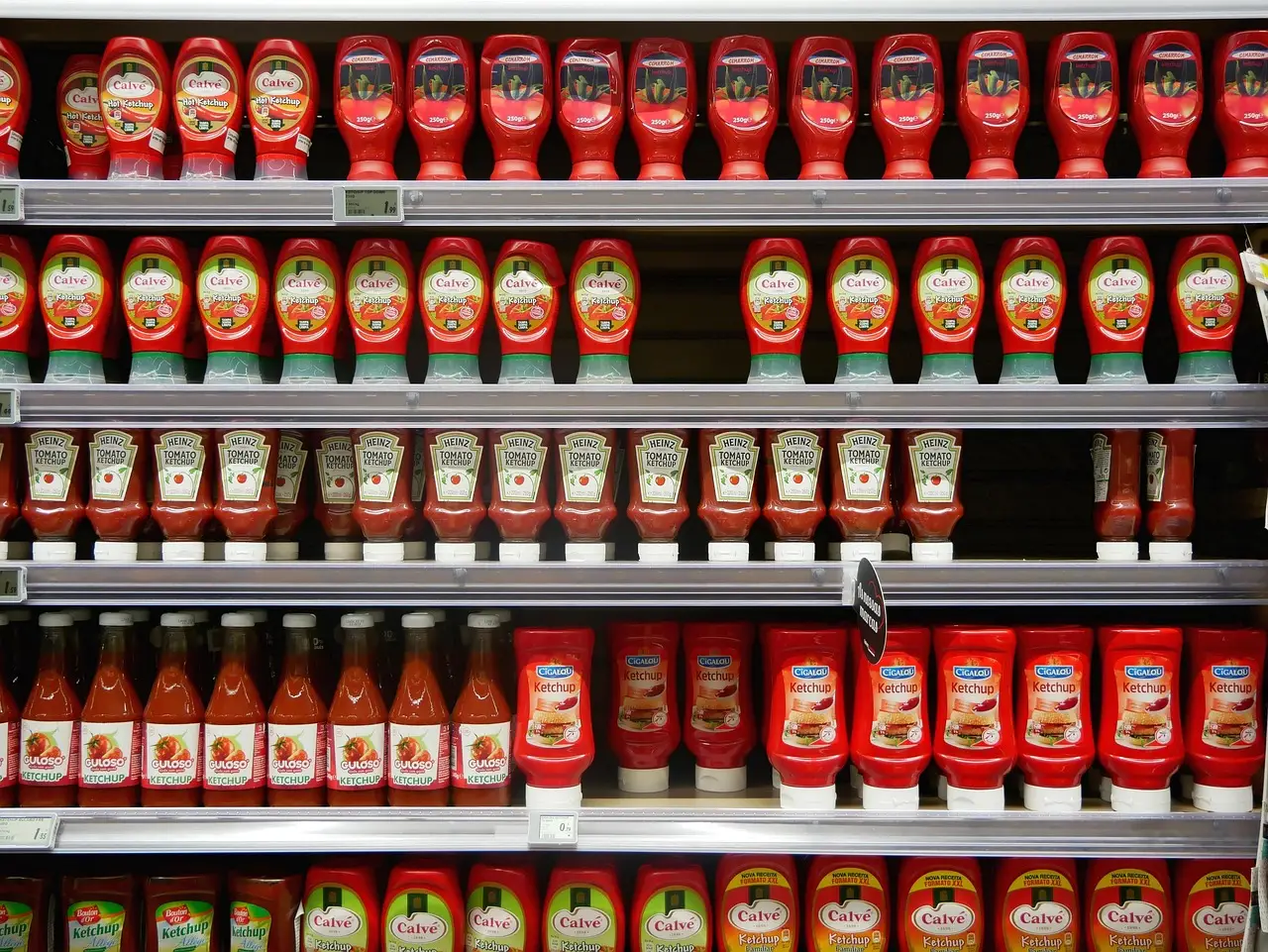
Canadian travel to the United States remains 29% below its level of two years ago as of September 2026 — a shortfall the U.S. Travel Association says cost the U.S. economy $4.5 billion last year. That is the demand backdrop against which Kraft Heinz CEO Steve Cahillane now concedes that the made-in-the-U.S.A. label has become a commercial liability north of the border rather than an asset.
Speaking at the Fortune 500 Innovation Forum in Detroit on Monday, Cahillane said the Chicago- and Pittsburgh-based food giant — the company behind Jell-O, Lunchables, and Heinz ketchup — is actively rewriting its Canadian messaging. "Brand America is not as strong as it once was, and that's been the case for some time," he told Fortune Executive Editorial Director Diane Brady. "We're having to overcome brand America. Whereas, in the '50s, '60s, '70s, into the '80s, brand America was a badge of honor, it's a little bit more complicated today."
For finance teams, the driver is straightforward. A 50% tariff now applies to $20 billion of Canadian goods, and repeated threats from U.S. President Donald Trump to make Canada the "51st state" have hardened consumer sentiment against American products. Canadians have kept pouring money into U.S. investments, but many have simultaneously organized boycotts of American goods in favor of domestic alternatives.
What is the trade signal in the travel data?
The boycotts are measurably denting the U.S. economy. A report published by the Canadian government last month found that although Canadian visits to the U.S. have begun to recover, visitations were still 29% lower in September 2026 than two years earlier. The U.S. Travel Association puts the cost of that decline at $4.5 billion for last year alone.
For a packaged-food company with deep Canadian exposure, that consumer chill translates directly into shelf-level risk. A country that punishes American brands with its wallet punishes the companies carrying those brands.
How is Kraft Heinz repositioning?
The company's answer is to re-anchor its Canadian identity in local production. In March, subsidiary Kraft Heinz Canada announced a $250 million investment to bolster operations at its Montreal production facility — capacity spending deployed explicitly as brand insurance.
"We had to remind the Canadian consumer that all of the Heinz ketchup that they're consuming in Canada is made in Canada," Cahillane said. "We have a couple of big plants up there, and so when we talk to people about the local nature of our products, it may be brand America, but it's produced in your backyard by your friends and neighbors, grown locally."
The tactic — shifting the claim of origin from corporate nationality to plant geography — is a playbook other U.S. consumer-goods issuers with cross-border footprints can copy at lower cost than repricing.
Is the local strategy working?
Early evidence says yes. Kraft Heinz is navigating a turnaround after a 10-year slump, and although the company reported falling revenue last quarter, the decline was offset in part by growing sales in Canada. Its Kraft Mac & Cheese Cheesy Ramen, which debuted in Canada in July, sold out three months of inventory in a single week, according to Cahillane.
That sell-through rate is the concrete comparison worth holding onto: one week of demand against a full quarter of planned stock. For a company a decade into weak top-line performance, a product that clears inventory twelve times faster than planned is a genuine demand signal, not a rounding error.
What does 'hyperlocal' mean for the supply chain?
Tariffs hit the company hard at first. In May 2025, Kraft Heinz said it would need to shift suppliers and potentially reformulate products as a result of the levies — a direct cost-side response to the import taxes.
Cahillane now frames the operating model in starker terms. "We're already local. We have to be hyperlocal," he told Fortune. "We have to build in redundancy. We have to build in the ability to do things faster than we ever have before, and that becomes hyperlocal for us."
Redundancy (duplicating supply capacity across regions so one disruption cannot halt production) carries real cost, but it is the hedge the tariff environment demands. The forward implication for practitioners: country-of-origin messaging, once a marketing afterthought, is now a line item that belongs in the same conversation as supplier contracts and capacity planning.
The Kraft Heinz case suggests that under sustained trade friction, the locus of brand value shifts from where a company is headquartered to where it physically makes things. CFOs at multinationals with U.S. brands and foreign consumers should read the Montreal investment the same way: $250 million spent not only on capacity, but on permission to keep selling.
Audit trail
- Canadian visits to the U.S. were 29% lower in September 2026 than two years prior, costing the U.S. economy $4.5 billion last year.
- Kraft Heinz Canada announced a $250 million investment in its Montreal production facility in March.
- A 50% tariff applies to $20 billion of Canadian goods amid ongoing U.S.-Canada trade tensions.
- Kraft Mac & Cheese Cheesy Ramen sold out three months of Canadian inventory within one week of its July launch.
- Kraft Heinz said in May 2025 it would shift suppliers and potentially reformulate products due to tariffs.
via fortune.com/feed/ (Source)
More from Marcus Bennett
Show full bio
Correspondent covering people, launches and day-to-day practice in corporate finance and the leaders who run it at CFO Observer.
277 articles
Cross-references
- Kraft Heinz Beats Estimates but Sales Fall 2% in Q3 2026
- Michigan's Next Governor Faces a 50% Tariff on Day One
- The Death of Cheap Supply Chains: What CFOs Now Pay for Resilience
- Under Armour Cuts Gross Margin Outlook After 7% Q2 Revenue Drop
- B&G Foods Beats on EPS and Sales, Raises Guidance, but Leverage Lingers