RefE-357
Entered
Figures4 min · 810 words
Working paper
LATAM Airlines Posts 18.4% Revenue Jump but Flags $2 Billion Fuel Hit
LATAM Airlines grew Q3 revenue 18.4% to $4.6 billion and net income 16% to $441 million, but warned higher jet fuel prices will add over $2 billion in 2026 costs.
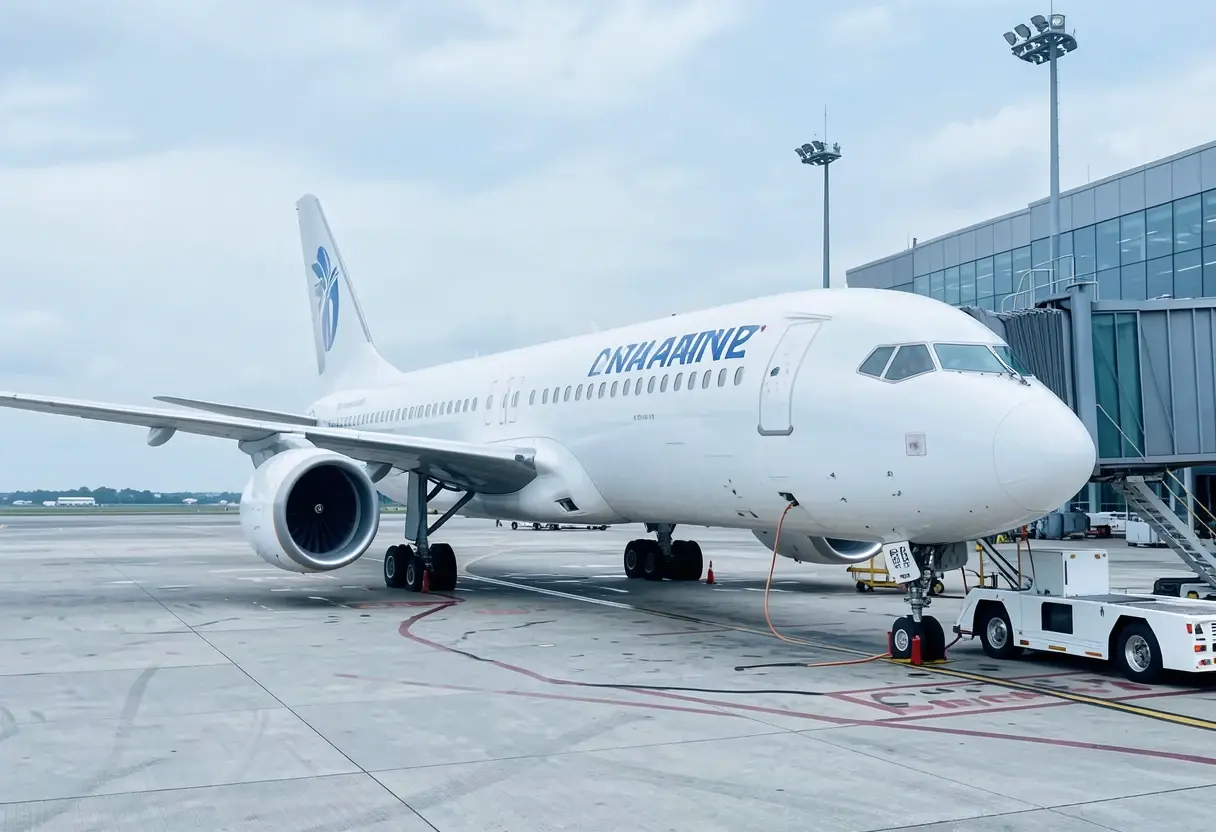
LATAM Airlines Group grew third-quarter revenue 18.4% year over year to $4.6 billion, even as average jet fuel prices climbed 52% and added $594 million to its fuel bill. Net income rose 16% to $441 million, CFO Ricardo Bottas told analysts on the company's earnings call, and the carrier cut its 2026 capacity growth guidance while bracing for more than $2 billion in additional fuel costs next year.
Adjusted operating income came in at $573 million, a 12.5% margin, and adjusted EBITDA (earnings before interest, taxes, depreciation and amortization) reached close to $1.1 billion, a 24% margin. The quarter proved pricing can carry a lot of weight — but not all of it.
How did pricing offset a 52% fuel surge?
Passenger revenue increased 17.8% to $4 billion on capacity growth of 7.7%. The yield story is the headline: passenger revenue per available seat kilometer (RASK, the standard unit-revenue measure) rose 9.4% to $0.083, and yield — average fare per kilometer flown — jumped 11.7%. The passenger load factor, or share of seats filled, stood at 83.7%.
CEO Roberto Alvo said demand remained strong and the company had passed through a substantial portion of higher fuel costs to customers. He acknowledged jet fuel prices had continued to rise and said LATAM did not expect meaningful relief in the short term.
International passenger RASK grew 10.2%, while Brazil domestic and Spanish-speaking domestic markets each posted gains of close to 9%, Bottas said. Domestic load factors fell 3 percentage points but held around 83%; the international load factor slipped 0.8 points to 84.3%.
Asked whether higher fares were starting to scare off travelers, Alvo pushed back gently. He said the lower load factors were a normal consequence of some price-sensitive demand falling away, and LATAM was comfortable accepting a slightly lower load factor while optimizing unit revenue. In plain terms: fewer but better-paying passengers.
What's driving the revenue mix?
Premium cabin revenue grew 23%, outpacing main cabin revenue. Cargo revenue rose 20% to $483 million, aided by shorter sales cycles that allow quicker fuel cost pass-through, Bottas said. LATAM Pass membership climbed 9% to 57 million, with members generating two-thirds of passenger revenue — a loyalty base doing real balance-sheet work.
On costs, passenger unit costs excluding fuel rose 3.5%. Strip out local currency appreciation, Bottas said, and they would have been virtually flat. That's rare cost discipline in a fuel-spike quarter.
What changes in the 2026 outlook?
Higher jet fuel prices alone will add more than $2 billion in costs in 2026 versus 2025, including more than $900 million in the fourth quarter, Alvo said. LATAM now expects full-year adjusted EBITDA of $3.9 billion to $4.1 billion, compared with $4.1 billion last year — so the floor implies a decline.
The airline also guided to at least $1.2 billion in adjusted levered free cash flow and a double-digit adjusted operating margin. The outlook assumes an average Brazilian real exchange rate of 5.3 per U.S. dollar in the fourth quarter and 5.2 for the full year, Bottas said.
Cash generation held up. LATAM produced close to $900 million in operating cash flow in the quarter, spent $432 million on capital expenditures, generated more than $300 million in cash before capital allocation initiatives, and repurchased 0.65% of its share capital.
Credit markets noticed. Both S&P Global Ratings and Fitch Ratings upgraded LATAM to BB+, one notch below investment grade, while its bonds are rated BBB- by both agencies, Bottas said.
What's the fleet and hedging plan?
Alvo said LATAM has enough fleet capacity to grow by high single digits next year, but actual growth depends on fuel prices and profitability. The company has not yet issued 2027 guidance.
Bottas laid out the fleet math: LATAM expects to finish 2026 with 409 aircraft, receive 30 more in 2027, and end that year at 426. The plan implies retiring 13 older aircraft, principally A319s. The carrier received its first two Embraer E195-E2 jets in October, with Brazilian domestic service starting Nov. 30, and 12 more Embraer deliveries are scheduled for 2027.
On capacity discipline, Alvo said LATAM trimmed full-year 2026 capacity growth guidance by roughly half a percentage point in response to fuel prices. The airline can manage this by trimming frequencies across the network rather than eliminating routes.
On fuel hedging, Bottas said LATAM isn't changing its policy but assesses market conditions and the cost of protection daily, and wants to return to its normal hedging range when pricing makes sense.
The takeaway: LATAM is absorbing a historic fuel shock with pricing power and cost control intact — and asking investors to trust the margin math until fuel cooperates.
Audit trail
- Q3 revenue rose 18.4% to $4.6 billion; net income up 16% to $441 million.
- Average jet fuel prices rose 52%, adding $594 million to fuel costs year over year.
- LATAM expects higher jet fuel to add more than $2 billion in 2026 costs, including over $900 million in Q4.
- 2026 adjusted EBITDA guided to $3.9–4.1 billion, versus $4.1 billion last year.
- S&P and Fitch both upgraded LATAM to BB+; its bonds are rated BBB-.
via dailypolitical.com (Source)
More from Grace Kim
Show full bio
Staff writer covering people, launches and day-to-day practice in corporate finance and the leaders who run it at CFO Observer.
139 articles