RefE-231
Entered
Figures3 min · 676 words
Working paper
Northrop Grumman Targets $10 Billion Overseas Sales by 2031
Northrop Grumman expects international sales to more than double to $10 billion by 2031, with 5-7% sales growth in 2027 and capex peaking at 4.5% of sales.
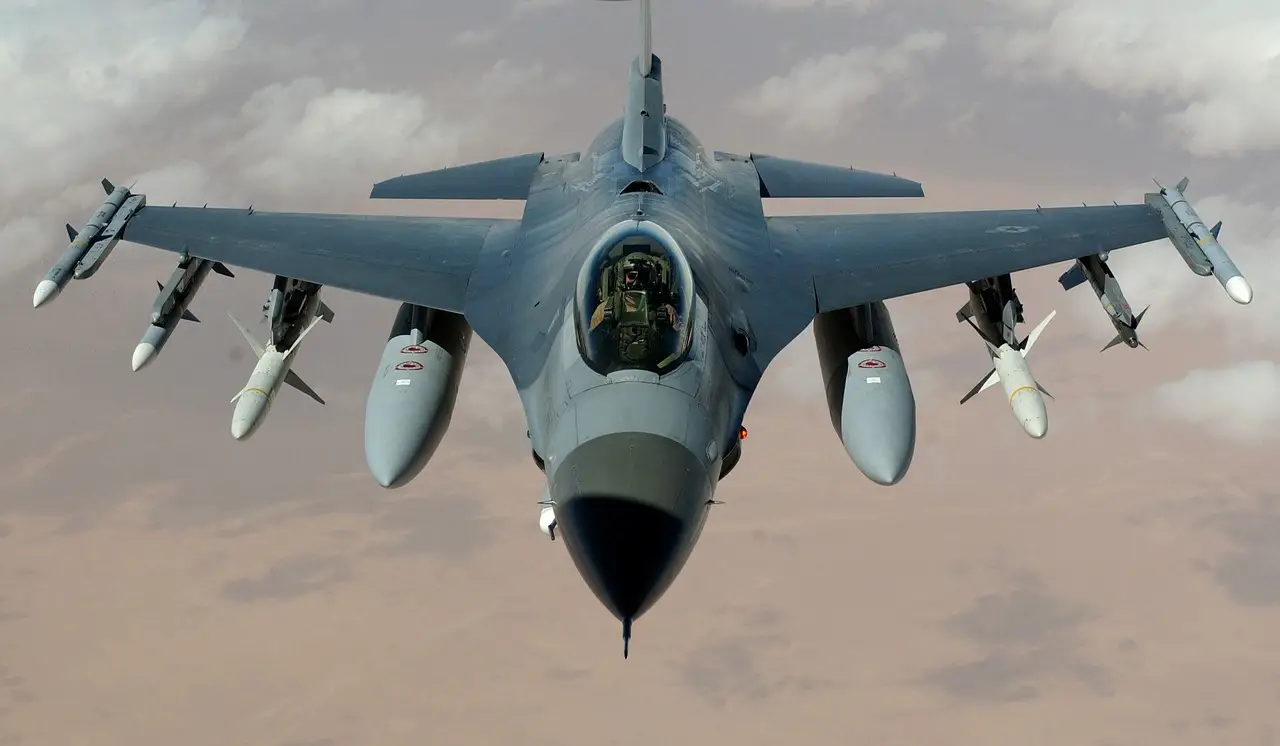
Northrop Grumman expects international sales to more than double to $10 billion in 2031, up from roughly $4.3 billion reported year-to-date — the headline number CEO Kathy Warden laid out at a Baird conference as she sketched the defense contractor's path through 2027.
Warden, who serves as chair, CEO and president, said the company assumes the current continuing resolution (a stopgap federal funding measure, set to expire Dec. 11) will be extended into early 2027. That assumption underpins the recently issued outlook, which Baird Senior Aerospace Defense Analyst Peter Arment noted calls for 5% to 7% sales growth in 2027.
"That extension will provide the resourcing at the level sufficient for our programs to continue without disruption," Warden said.
How strong is demand right now?
Warden described defense demand as unprecedented in recent history, and she said Northrop is carrying a record backlog (the value of contracted but unfulfilled orders). She's optimistic about bipartisan support for the company's programs, though she acknowledged the new Congress will debate budget priorities.
Takeaway: the demand picture is as strong as it has been in years, and the funding risk sits mainly in calendar mechanics, not program support.
What's driving the growth?
Several threads run through the outlook:
-
Munitions. Northrop has positioned itself as a second-source supplier on multiple munitions programs, providing components such as solid rocket motors, fuses, warheads and casings. It's adding munitions acceleration contracts to its backlog.
Counter-drone tech. The company is investing in counter-drone products, including Raid Hunter.
Air and missile defense. Integrated air and missile defense systems, including IBCS (the Army's Integrated Air and Missile Defense Battle Command System), are growing at double-digit rates and should contribute revenue growth in 2027, Warden said.
Flagship programs. The Air Force's B-21 bomber program of record calls for at least 100 aircraft, and the service is evaluating an increase. Growth and profitability on the program are expected to inflect later this decade as production advances.
The Sentinel intercontinental ballistic missile remains in development. Northrop expects to build more than 450 missiles, equip their silos and construct the command-and-control architecture. The full program's life-cycle cost is estimated at more than $140 billion.
Takeaway: near-term growth comes from munitions and missile defense, while B-21 and Sentinel carry the longer arc.
What about space and quantum?
National security space is poised to grow as orbit becomes more contested, Warden said. The business has shifted toward higher quantities of satellites rather than a small number of large spacecraft — she pointed to a recently announced 21-satellite launch for the Space Development Agency's telecommunications infrastructure.
Northrop also sees commercial potential in its microelectronics business. It runs two foundries and a packaging facility, and Warden said customers are showing greater interest in U.S.-built electronics and power-efficient packaging.
On quantum computing, Northrop initially invested with defense applications in mind but now targets commercial opportunities first. A scaled quantum computer must be built before broader adoption, she said. The company holds hundreds of patents and employs hundreds of physicists and engineers on the technology.
Takeaway: space is a volume story now, and quantum is an option the company is keeping warm.
Where do margins and capital spending land?
Warden identified a greater mix of international sales, production work and potential commercial business as margin levers, alongside execution and cost efficiency.
Capital expenditures (spending on property, plant and equipment) should run at about 4.5% of sales in 2027 and 2028 as the company expands capacity, then return to a more typical level of around 3% of sales.
Capital allocation priorities remain unchanged: invest in the business, pay a competitive dividend and return excess cash to shareholders. Northrop has raised its dividend for 23 consecutive years.
For finance teams watching the defense sector, the message is simple: Northrop is betting that funding stability, a fat backlog and a heavier international mix carry it through a two-year capex peak and into fatter margins.
Audit trail
- Northrop Grumman expects international sales to more than double to $10 billion in 2031, from about $4.3 billion year-to-date.
- The 2027 outlook assumes 5-7% sales growth and a continuing resolution extension into early 2027.
- The Sentinel program's life-cycle cost is estimated at more than $140 billion, with over 450 missiles planned.
- Capital expenditures are expected at about 4.5% of sales in 2027-2028, returning to roughly 3% afterward.
- Northrop has increased its dividend for 23 consecutive years.
via dailypolitical.com (Source)
More from Grace Kim
Show full bio
Staff writer covering people, launches and day-to-day practice in corporate finance and the leaders who run it at CFO Observer.
234 articles