RefE-580
Entered
Figures3 min · 628 words
Working paper
Tesla Misses on Earnings as Free Cash Flow Turns Negative
Tesla missed earnings expectations as free cash flow turned negative and margins slid, pressuring cash discipline and pricing strategy ahead of the next quarterly report.
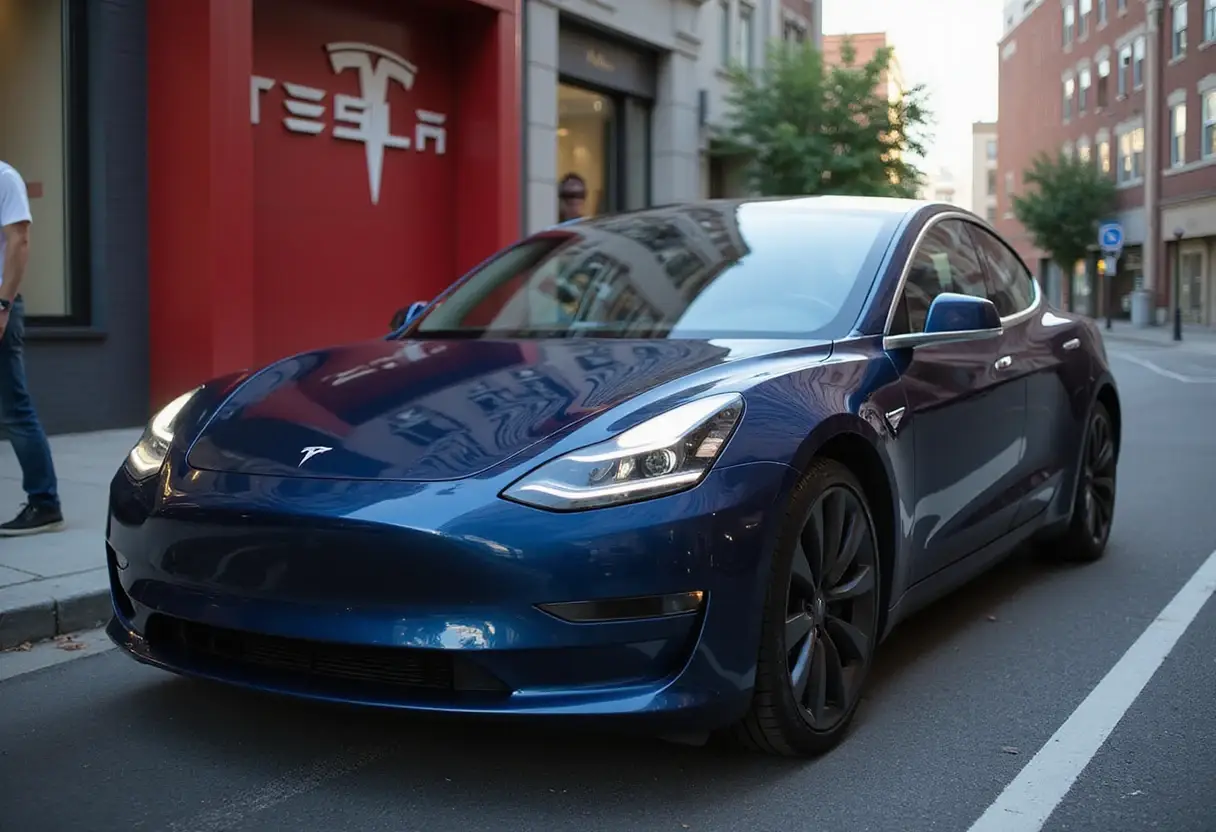
Tesla missed Wall Street's earnings expectations, with free cash flow turning negative and profit margins sliding — a combination that puts new pressure on the company's cash discipline and pricing strategy heading into the next quarter.
The electric-vehicle maker's shortfall marks a notable deterioration from its recent reporting history. Free cash flow, a metric CFOs and credit analysts watch closely as the cleanest signal of self-funded operations, flipped into negative territory during the period. That reversal means Tesla consumed more cash than its operations and capital spending generated, rather than adding to its cash pile.
Margins declined as well. The slide compresses the cushion between revenue and production costs, a dynamic that typically reflects some mix of price cuts, higher input costs, or weaker volume leverage on fixed manufacturing expenses. For a company that has historically defended industry-leading automotive gross margins, the direction of travel matters as much as the quarter itself.
What does the negative free cash flow signal?
For finance teams, negative free cash flow at a company of Tesla's scale raises three immediate questions:
- Capital intensity: Is the cash drain driven by factory buildouts, AI infrastructure, or next-generation platform spending, or by core operations losing money?
- Duration: A one-quarter dip from timing of capex payments reads very differently from a sustained deficit that forces reliance on the balance sheet or external funding.
- Flexibility: Tesla carries a large cash position, so a negative quarter does not create a liquidity problem — but it does reduce the room for buybacks, price aggression, or accelerated investment without trade-offs.
The margin slide compounds the concern. When gross margins contract while free cash flow turns negative, the operating engine weakens at the same moment spending outpaces generation. That combination narrows management's options: raise prices and risk volume, cut spending and risk growth, or absorb the squeeze and watch the cash balance draw down.
Why the miss matters beyond one quarter
Earnings misses happen. The more consequential element here is the pairing of the miss with a cash-flow reversal, because earnings can be adjusted through accounting choices and one-time items — cash cannot. A negative free-cash-flow print gives analysts a hard data point that the business consumed capital during the period.
Margin direction carries similar weight. Tesla's valuation has long rested on its ability to sustain profitability per vehicle well above legacy automakers. Every slide in that metric erodes the core of the bull case and invites comparisons to the capital-burning EV startups the company once distanced itself from.
The report also lands at a delicate moment for demand. Price reductions across the lineup have supported volumes in prior periods, but each round of cuts lands directly on the margin line. If discounts no longer convert into sufficient incremental volume, the margin compression becomes structural rather than cyclical.
What should CFOs and investors watch next?
The forward indicators that will define whether this quarter was an outlier or a trend:
- Next quarter's free cash flow print — a second consecutive negative quarter would shift the narrative from timing to trajectory.
- Automotive gross margin excluding regulatory credits — the cleanest read on underlying unit economics.
- Capex guidance — whether management maintains or trims investment plans in response to the cash position.
- Inventory and delivery figures — the leading indicators of whether pricing power is stabilizing or still eroding.
Tesla has absorbed difficult quarters before and returned to strong cash generation. But the burden of proof now shifts to the next report. A company that misses on earnings, burns cash, and loses margin in the same quarter has used up most of its benefit of the doubt with the market — and the stock's reaction to this report reflects exactly that reassessment.
Audit trail
- Tesla missed Wall Street earnings expectations in its latest quarterly report.
- Free cash flow turned negative during the reporting period.
- Profit margins declined, compressing the gap between revenue and costs.
- The cash-flow reversal means Tesla consumed more cash than it generated.
- Analysts will focus on the next quarter to determine whether the deficit is timing or trend.
via Google News: corporate earnings results (Source)
More from Marcus Bennett
Show full bio
Correspondent covering people, launches and day-to-day practice in corporate finance and the leaders who run it at CFO Observer.
63 articles
Cross-references
- Truist Shares Drop 2.53% as Q3 Revenue Miss Overrides EPS Beat
- BlackRock Pulls $205 Billion in Client Money as Profit Tops Estimates
- GM Grew Revenue While Selling Fewer Cars — Pricing Still Beats Volume
- Salesforce Funds $25 Billion Buyback With Debt, Halves Cash Flow Guidance
- Q3 Earnings Preview: Revenue Beats Lag as Momentum Holds