RefE-886
Entered
Figures4 min · 719 words
Working paper
AST SpaceMobile Misses Again, Bets $1.3 Billion on Its Own Rocket
AST SpaceMobile fell 8%-plus after a seventh straight earnings miss and a $1.3 billion Blacklift rocket deal that adds 2027 CapEx while operating cash burn rose 74% to $169 million.
AST SpaceMobile shares fell more than 8% after the company reported Q3 earnings of negative $0.44 per share against a consensus of negative $0.41, extending its earnings-miss streak to seven consecutive quarters. The miss, delivered after the close on Monday, Nov. 9, capped a slide that has left the stock roughly 75% below its all-time high of May 28, 2026.
Revenue of $42.32 million grew nearly 188% year over year but still fell short of Wall Street's $45.73 million estimate — the third straight revenue miss and the eighth in nine quarters.
What does the new rocket change?
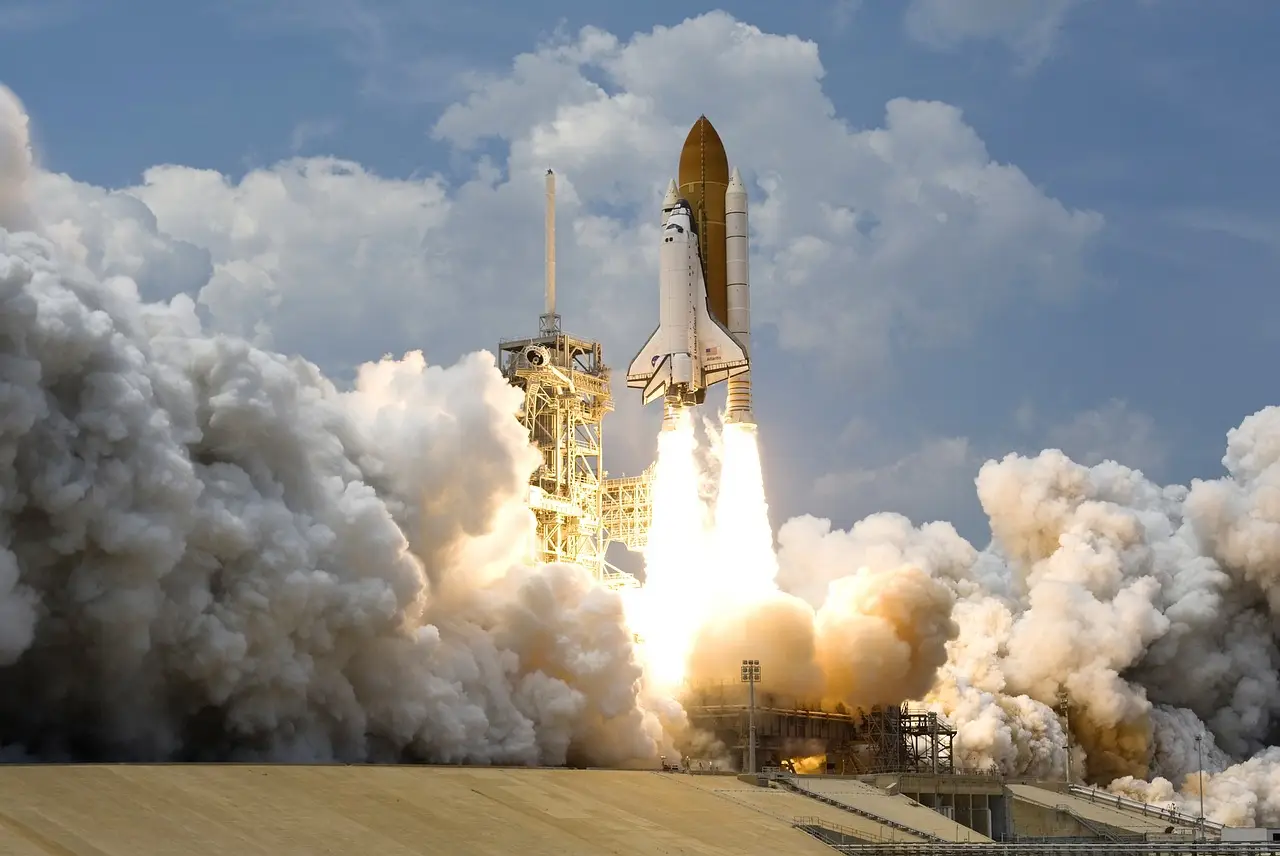
On Friday, Nov. 6, the Midland, Texas-based company announced Blacklift, a 20-tonne reusable heavy-lift rocket it will develop itself, using engines from Firefly Aerospace under a $1.3 billion agreement covering the first three rockets. Each Blacklift would deploy five stacked BlueBird satellites into low Earth orbit at a time, against the three per launch the company currently achieves on SpaceX's Falcon 9.
CEO Abel Avellan said on the earnings call that Blacklift "offers attractive ownership economics over the long term." He also stated: "We now have launches planned in 2027 and 2028 with SpaceX, Blue Origin, and others, supporting a planned 100 satellites in orbit."
The promise carries a caveat the company itself acknowledged: Blacklift does not replace near-term reliance on third-party providers, adds execution risk, and targets a first launch only in late 2028. External launch agreements cover more than 100 LEO satellites for deployment in 2027 and 2028. The rocket is a cost answer that arrives, at best, two years after the bills come due.
How fast is the cash burning?
The sell-off traced to spending, not revenue. Q4 adjusted operating expenses, excluding adjusted cost of revenue, are forecast at $130 million to $140 million, with capital expenditures of $400 million to $500 million. Management expects several hundred million dollars of additional CapEx in 2027 tied to the rocket program, and admitted spending will rise through the remainder of 2026 and throughout 2027.
The Q3 numbers show the strain:
- Net loss attributable to common stockholders of $132 million, improved from $231 million in Q2.
- Net cash used in operating activities rose 74% quarter over quarter, to roughly $169 million from $97 million.
- Free cash flow to the firm deteriorated nearly 150% year over year.
- EPS improved just 2.22% despite the revenue surge.
Against that, management reiterated full-year revenue guidance of $150 million to $200 million. In plain words: the top line is intact, but the cash out the door is accelerating.
What is still on track?
The company reaffirmed plans for intermittent nationwide direct-to-device service in the United States and other key markets before the end of 2026, with initial rollouts through partners in Canada, Japan, Saudi Arabia and the United Kingdom. It counts more than 60 mobile network operator partners representing over 3 billion subscribers. It validated a satellite-to-ground beam handover with AT&T, with broader user beta trials expected in early 2027. It targets production of six BlueBird satellites per month by December, building toward roughly 45 satellites in orbit by mid-2027. Management said its new ASIC delivers ten times the processing bandwidth of first-generation BlueBirds — though deployment and production targets, in its own words, remain subject to execution and launch schedules.
What do the analysts and the shorts see?
Of 16 analysts covering the stock, six rate it Buy, eight Hold and two Sell — a consensus Hold with an average 12-month price target of $75.47, more than 100% above the recent price of $36.08. The high forecast sits at $108.00; the low at $43.00.
The bear side is crowded. Short interest approaches 22% of the float — 67.5 million shares out of more than 389 million outstanding — and the stock's beta of 2.88 makes it roughly 188% more sensitive to broad-market moves. Legal challenges and mounting competition from SpaceX add pressure. Institutions, for their part, kept buying: over the past year their purchases exceeded sales by $2.34 billion, against less than $413 million of net selling.
The market has priced a promise of cheaper launches in 2028 against a cash burn that is compounding now.
Audit trail
- Shares fell more than 8% after Q3 EPS of -$0.44 missed the -$0.41 consensus; seventh straight earnings miss.
- Revenue of $42.32 million grew ~188% YoY but missed the $45.73 million estimate.
- Blacklift rocket deal with Firefly Aerospace engines costs $1.3 billion; first launch targeted late 2028.
- Q4 CapEx forecast of $400–500 million; operating cash burn rose 74% to ~$169 million.
- Short interest near 22% of float; 16 analysts hold a consensus Hold with a $75.47 average target.
via marketbeat.com (Source)
More from Tom Whitfield
Show full bio
News editor covering companies, deals and strategy in corporate finance and the leaders who run it at CFO Observer.
169 articles
Cross-references
- Rocket Lab Posts 73% Revenue Growth and $3.57 Billion Backlog
- SpaceX Turns a Profit as Revenue Doubles, WSJ Reports
- The Trade Desk Posts $735.97 Million Q3 Revenue Beat as Margins Fall
- TransDigm Guides FY2027 Revenue Above Consensus, EPS Midpoint Below
- Qualcomm beats Q4 estimates as handset slump clouds outlook