Entered
Figures4 min · 855 words
Working paper
Democratic Congress Signals Tax Fights Ahead for 2027
Democrats take House and Senate on January 3, 2027, eyeing a $350 billion PTC restoration, CTC hikes above $500 billion and higher corporate and millionaire tax rates.
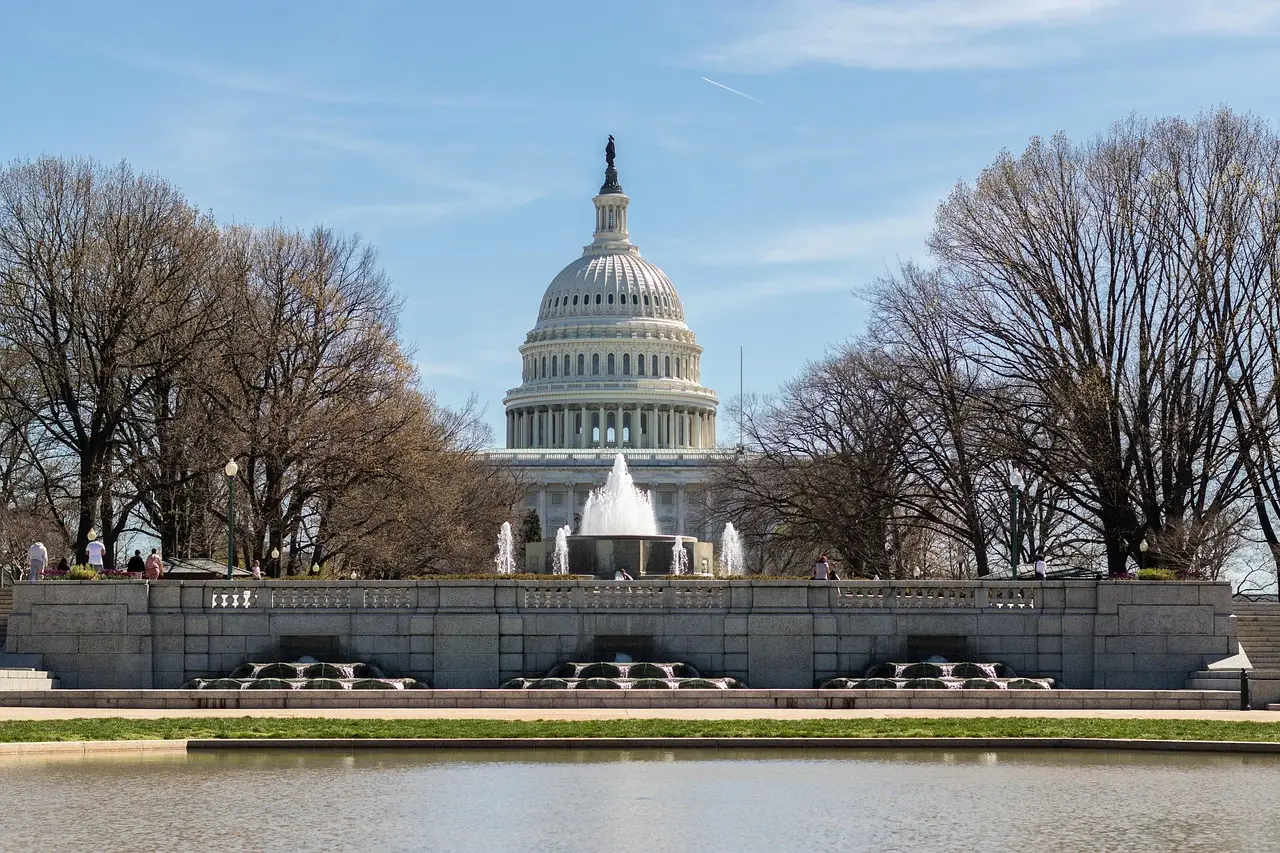
Democrats will control both chambers of the 120th Congress starting January 3, 2027, and they arrive with a tax agenda that pairs hundreds of billions in credits for households against steep rate increases for corporations and very high earners. Early midterm results show the party retaking the US House of Representatives and the Senate, which will shift which tax proposals get drafted, debated and put to votes over the next two years.
The arithmetic constrains them. Republicans hold the White House, so President Trump's veto limits what Democrats can enact. Yet the proposals themselves matter: they will frame messaging and set the direction of tax policy for years to come, according to the analysis driving the new agenda.
Which taxes would Democrats raise?
Corporate taxation sits near the top of the list. Democrats want to raise the corporate rate from its current 21 percent, with open questions on how high to go, whether the rate should be graduated, and which base changes should accompany a hike. International rules may also be revisited, including taxing foreign earnings on a country-by-country basis and tightening guardrails on profit shifting into low-tax jurisdictions.
The tax treatment of data centers and AI investment has drawn specific proposals in 2026:
- Disallowing data center bonus depreciation, conditionally or entirely
- A new tax on bits
- A new excise tax on data center electricity use
On individual taxes, Sen. Chris Van Hollen (D-MD) has proposed a 12 percent surtax on taxpayers earning over $1 million. Capital gains proposals include raising rates, ending the step-up in basis at death, taxing unrealized capital gains annually for very-high-net-worth individuals, and, for some, an annual wealth tax on billionaire assets.
Democrats will debate whether to raise revenue by adjusting existing levers or by enacting novel, untested taxes that carry administrative, legal and economic risks. Either path carries trade-offs, as most of the proposed increases would discourage saving and investment.
Which tax cuts are on the table?
Restoring expanded premium tax credits (PTCs) for Affordable Care Act exchange insurance, which expired at the end of 2025, ranks first. Under the 2021-2025 expansion, enrollees earning up to 150 percent of the federal poverty level paid 0 percent of household income in premiums, versus 2.0-4.0 percent under current law; those above 400 percent of FPL paid a capped 8.5 percent instead of being ineligible.
House Democratic Leader Hakeem Jeffries (D-NY), the likely next speaker, has made restoring the credits a priority, and next year's debt limit debate may give him leverage. The Congressional Budget Office previously estimated the extension would cost $350 billion over a decade.
Jeffries is also prioritizing, per an October 2026 New York Times report, expansions of the child tax credit and earned income tax credit. The CTC could rise from $2,200 per child in 2026 to $3,000 or more in 2027, echoing the 2021 expansion that added a $600 bonus for children under six, full refundability and monthly advance payments. The EITC expansion would focus on childless workers, whose maximum credit was $1,502 in 2021 versus $664 now.
The price tags are large. Restoring the 2021 childless EITC could cost $60 billion to $120 billion over ten years. Restoring the 2021 CTC could cost more than $500 billion.
Housing policy adds another layer. Republicans already expanded the low-income housing tax credit in the 2025 One Big Beautiful Bill Act (OBBBA); repealing the LIHTC and the new markets tax credit would raise an estimated $202.7 billion over 10 years. Some Democrats back extending full expensing to multifamily residential construction, which would lower after-tax building costs.
What deadlines and deficits loom?
Congress and President Trump face at least one critical deadline: several OBBBA tax cuts expire December 31, 2028, including deductions for tips, overtime, auto loan interest and the enhanced senior deduction, plus immediate expensing for new factory buildings. Extending the four household provisions beyond 2028 would cost $577.3 billion over 10 years. Some Democratic lawmakers support extending and expanding the tips and overtime deductions.
Tariffs divide both parties. Many Democrats object to Trump's unilateral, rapidly shifting tariffs on allies and adversaries alike—hundreds of billions of dollars' worth—though some support tariffs on aluminum and steel. Even with votes to roll them back, a veto-proof majority looks unlikely within two years.
The fiscal backdrop tightens every choice. Federal debt exceeds $32 trillion and recently passed 100 percent of GDP; last fiscal year the government spent $2 trillion more than it collected. The 10-year Treasury yield has hovered near five percent, lifting mortgage and auto loan costs for households. The Social Security trust fund, meanwhile, is projected to be fully depleted in 2032—within the six-year term of senators elected this fall. Any enduring fix will blend benefit reductions with new revenue.
The takeaway for finance teams: expect a loud, legislatively constrained session. Few bills may pass, but the proposals on rates, credits and the 2028 expirations will signal the direction of federal tax policy well beyond the next two years.
Audit trail
- Democrats retake the House and Senate; the 120th Congress begins January 3, 2027
- Extending the expanded premium tax credits would cost $350 billion over a decade (CBO)
- Restoring the 2021 child tax credit could cost over $500 billion; the childless EITC $60-120 billion
- OBBBA tax cuts for tips, overtime, auto loan interest and senior deductions expire December 31, 2028
- Federal debt exceeds $32 trillion, above 100 percent of GDP; the 10-year Treasury yield sits near five percent
via taxfoundation.org (Source)
More from Amara Osei
Show full bio
Senior reporter covering companies, deals and strategy in corporate finance and the leaders who run it at CFO Observer.
297 articles
Cross-references
- Divided Washington Faces a Split Tax Agenda for 2027 and 2028
- Middle-Income Households Lose $1,670 in 2026 Under Trump Tax Policy
- Tax Policy Center Flags 2025 International Tax Changes as Material
- Bipartisan Policy Center Maps U.S. International Tax Path Into 2026
- Election Sweeps in Tax-Fairness Majorities; ITEP Maps the Road