Entered
Figures4 min · 757 words
Working paper
Divided Washington Faces a Split Tax Agenda for 2027 and 2028
With Democrats taking Congress and a Republican White House, 2027 opens a two-year window for tax deals: crypto rules, housing expensing, and tariff rollbacks lead the list worth watching.
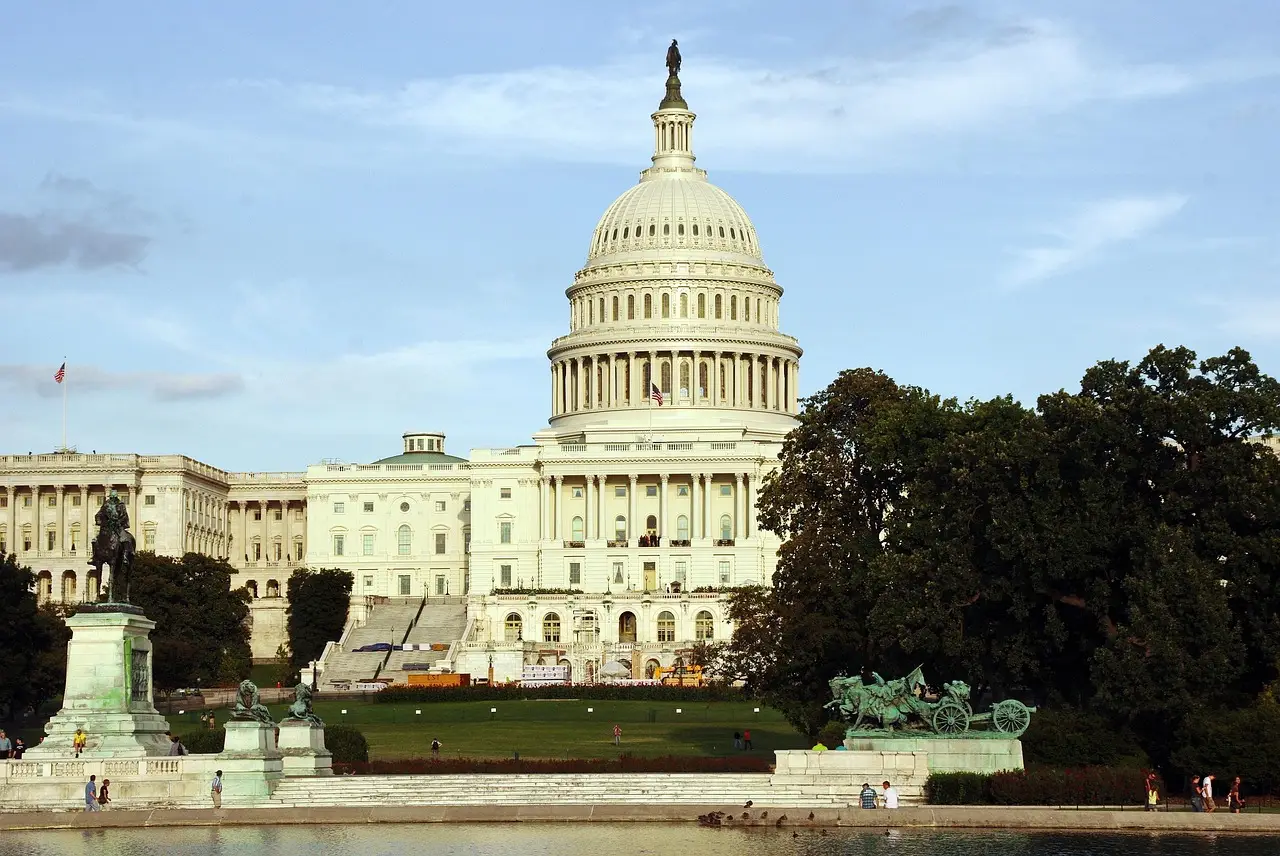
January 3, 2027. That's the date a new Congress convenes, and with midterms handing Democrats both chambers while a Republican holds the White House, every tax deal for the next two years will need bipartisan votes. The question isn't whether the two parties can work together on tax policy — it's which of the bipartisan ideas on the table are actually worth passing.
The good news first: several meaningful reforms are already moving, some could clear the lame-duck session in November and December 2026.
What's moving before year-end?
- Cryptocurrency tax reform. Crypto holdings keep rising, yet Congress has never written tax rules specifically for digital assets. Taxpayers have leaned on IRS notices and sub-regulatory guidance, which adds complexity and instability. A bipartisan group on the House Ways and Means Committee (the chamber's chief tax-writing panel) has assembled a package that would clarify the tax treatment of digital assets and transactions.
- IRS improvements. The Taxpayer Assistance and Service (TAS) Act passed the Senate by unanimous consent and, as of November 2026, awaits House action. The bipartisan leaders of the Senate Finance Committee designed the bill to simplify filing, boost transparency in dealings with the IRS, and add stability to a filing process many Americans dread.
- Taiwan tax relief. The United States-Taiwan Expedited Double-Tax Relief Act would strengthen tax ties and simplify foreign tax treatment between US and Taiwanese taxpayers, cutting double taxation (taxes paid twice on the same dollar of income).
Three bills, one takeaway: the lame duck could deliver real, if modest, simplification.
What does the new Congress have on its plate?
The session starting January 3, 2027, opens with bigger opportunities.
Multifamily housing expensing. The Rental Housing Investment Act (RHIA) has drawn bipartisan support this session and could carry into 2027 amid broad concern over housing affordability. It would provide an expensing allowance (an immediate deduction of investment costs) for multifamily construction starting at $150,000 per unit, compressing the write-off period from 27.5 years of standard depreciation to one year. That lowers the after-tax cost of building and should spur supply.
Tariff rollbacks. Democrats campaigned partly on rolling back Trump-era tariffs — taxes on imported goods that raise prices and cost the average US household hundreds of dollars per year. Some lawmakers in both parties also want Congress to reclaim its trade authority, ceded to the executive branch through a century of laws.
Highway bill extension. The current highway bill expires in December 2026. Recent five-year bills extended the federal gas tax at 18.4 cents per gallon, and highway funding already faces a structural gap between planned spending and gas tax revenue. Lawmakers could extend the tax and bring electric vehicles into the system too.
In short: housing supply, cheaper imports, and road funding are all live bipartisan plays.
Which bipartisan ideas should worry CFOs?
Here's where bipartisan enthusiasm turns problematic.
- "No tax on" deductions. The One Big Beautiful Bill Act's deductions for overtime, seniors, tips, auto loan interest, and the expanded SALT deduction (the write-off for state and local taxes paid) took effect in 2025 and expire at the end of 2028; the expanded SALT cap snaps back to $10,000 at the end of 2029. Extending or expanding them would cost hundreds of billions over ten years and keep the code more complex than it needs to be.
- Tax extenders. The Work Opportunity Tax Credit expired at the end of 2025, and CHIPS Act investment tax credits expire at the end of 2026. A straight renewal would skip the chance to make them more targeted, at real revenue cost.
- Film production credits. A re-energized push in late 2026 to expand domestic film production credits carries a revenue cost of up to $50 billion — with questionable impact on domestic investment.
- More savings accounts. Washington added Trump Accounts in 2025 to an already crowded menu, and new proposals target home buying, child care, and college savings. A better route: consolidating via universal savings accounts.
Every item above narrows the income tax base (the total pool of income and activity subject to tax), forcing higher rates on everyone else.
The bottom line
Divided government doesn't kill tax reform; it filters it. The next Congress can cut deals on crypto clarity, housing expensing, tariffs, and the gas tax — or spend the same political capital on carveouts costing up to $50 billion apiece. Lawmakers who keep simplicity, neutrality, transparency, and stability at the center will tell the difference.
Audit trail
- The new Congress convenes January 3, 2027 under divided government.
- The TAS Act passed the Senate by unanimous consent and awaits House action as of November 2026.
- The RHIA would allow expensing multifamily construction at $150,000 per unit, cutting depreciation from 27.5 years to one.
- Film production credit expansion could cost up to $50 billion in revenue.
- One Big Beautiful Bill Act 'no tax on' deductions expire at the end of 2028; the SALT cap reverts to $10,000 after 2029.
via taxfoundation.org (Source)
More from Grace Kim
Show full bio
Staff writer covering people, launches and day-to-day practice in corporate finance and the leaders who run it at CFO Observer.
301 articles
Cross-references
- Democratic Congress Signals Tax Fights Ahead for 2027
- Brookings paper: 2025 tax law opens path to corporate cash-flow tax
- Spain's 2026 Election Splits on Tax: Full Expensing vs. Higher Levies
- Bipartisan Policy Center Maps 2025 Tax Fight Over Two TCJA Provisions
- Meta's Federal Tax Rate Drops to All-Time Low, ITEP Reports