RefE-747
Entered
Figures4 min · 736 words
Working paper
Dorian LPG Posts Record $242 Million EBITDA as Ship Shortage Bites
Dorian LPG reported record adjusted EBITDA of $242 million and TCE revenue near $97,000 per day, as a shortage of VLGCs and Middle East disruption tightened the gas shipping market.
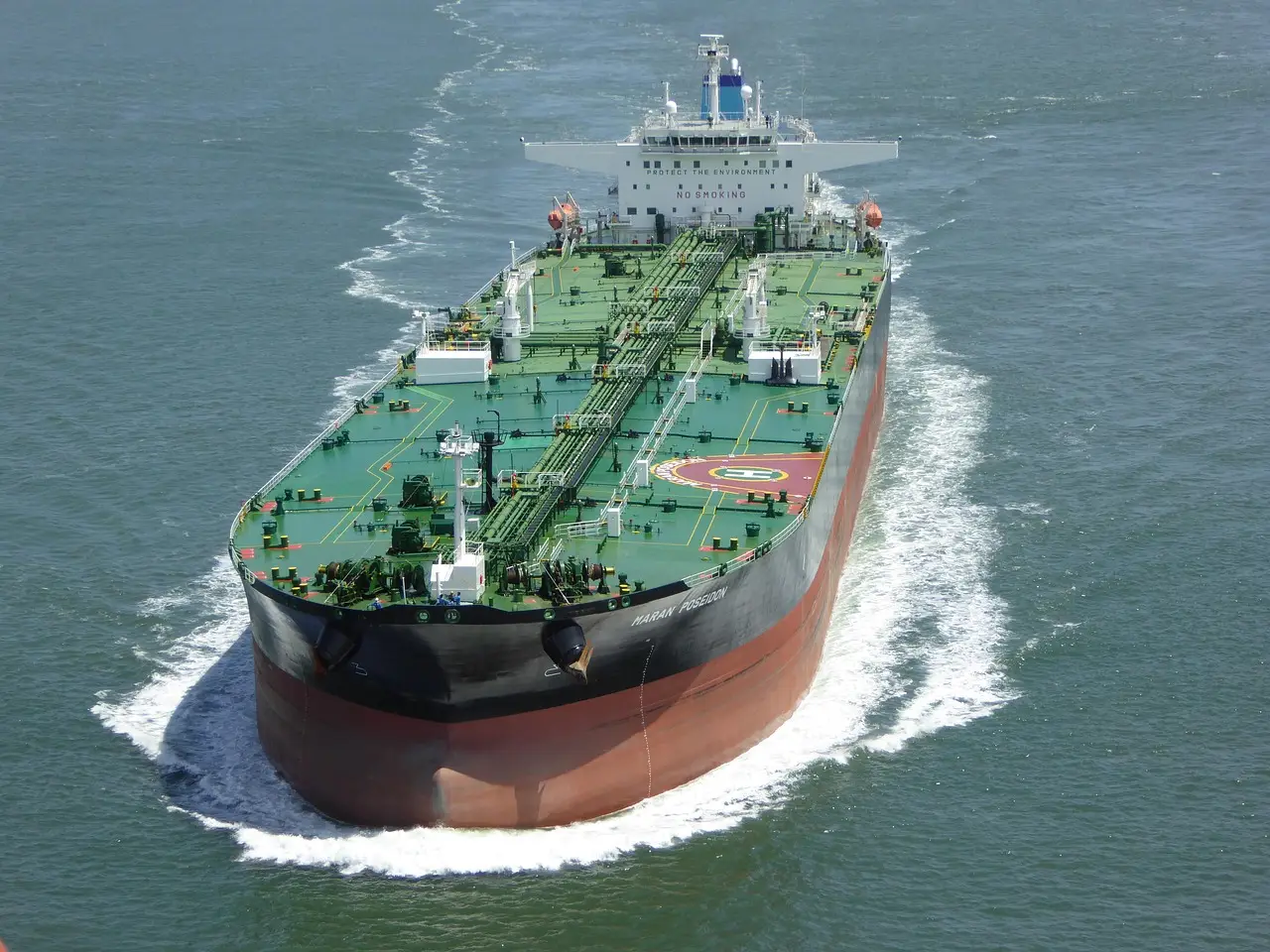
Dorian LPG booked $242 million in adjusted EBITDA (earnings before interest, taxes, depreciation and amortization) for the quarter ended September 30, its fiscal second quarter, including $63.6 million of gains from selling the Corsair and the Constellation. Excluding those gains, EBITDA stood at $178.4 million. The quarter also produced the company's highest-ever charter earnings, with time charter equivalent revenue — TCE, the standard daily revenue measure in shipping — at just under $97,000 per available day, a corporate record for the third consecutive quarter.
Chief Financial Officer Ted Young said the beat against prior guidance reflected demurrage booked in September and favorable mark-to-market adjustments on contracts of affreightment (agreements to ship cargo in installments over time). Chairman, President and Chief Executive John Hadjipateras attributed the record earnings to strong freight rates and vessel-sale gains. The board declared a dividend of $1.25 per share, which Hadjipateras said would lift total shareholder returns since the 2014 initial public offering above $1.1 billion.
Why are rates this high?
The short answer is too few ships. Hadjipateras said U.S. export facilities did not run at maximum capacity during the quarter, which he read as evidence of a vessel shortage. Vice President of Chartering Taro Rasmussen said vessel availability was the main constraint on exports.
- U.S. Gulf VLGC (very large gas carrier) loadings averaged about 102 per month in the quarter, down from roughly 113 in the prior quarter.
- Longer voyages around the Cape of Good Hope absorbed vessel capacity as congestion and restrictions complicated Panama Canal transits.
- Middle East exporters have used shuttle operations and ship-to-ship transfers to move cargo through the Strait of Hormuz — a logistically inefficient process, Rasmussen said, with regional export volumes at roughly half their pre-conflict levels.
The Baltic Exchange's BLPG3 calculated TCE rose from about $82,000 per day on July 1 to roughly $198,000 per day on September 30, Rasmussen said. He cautioned that the calculation assumes a roughly 60-day round trip, rather than approximately 80 days when the ballast voyage rounds the Cape, and does not account for delays and other costs.
Asked whether easing Middle East tensions might hurt rates, Hadjipateras said the market could react quickly but he did not expect peace to be a net negative over the medium to long term. A reopened Hormuz could increase cargoes, though rebalancing would take time.
How is the balance sheet being managed?
Dorian completed the sales of the Clermont and the Captain John NP in October for approximately $167.4 million net of commission, Young said. The company repaid $16 million of debt tied to the Clermont and expects to recognize more than $88 million in gains from the two sales next quarter. Hadjipateras said Dorian sold five ships this year at an average price of about $83 million; the vessels averaged nearly 13 years of age. He did not rule out further sales but said the company is not actively seeking them.
The fleet is being renewed selectively. Dorian ordered three 90,000-cubic-meter, dual-fuel Neo-Panamax VLGCs from Hanwha Ocean for approximately $338 million, with delivery scheduled for 2030, bringing its newbuilding count to four. Hadjipateras said the company is content with its order book and in no rush to add vessels, though a natural replacement cycle would require more orders in coming years.
Liquidity has swelled accordingly. Young said Dorian held nearly $785 million in cash at the time of the call, up from $578.8 million at September 30, following the vessel sales and distributions from its Helios Pool. Net cash was approximately $320 million. In September, the company entered a seven-year, $368.4 million credit facility to refinance existing debt at a margin of 140 basis points over SOFR (the Secured Overnight Financing Rate), roughly 60 basis points below one refinanced facility.
What about fuel and dividends?
John Lycouris, head of energy transition, said 14 of the 22 commercially operated vessels carry scrubbers (exhaust-gas cleaning systems) and five are dual-fuel LPG vessels. Scrubber savings averaged approximately $4,174 per calendar day per vessel, net of operating expenses — the best result in twelve quarters. Young said the board weighs earnings, near-term cash flow, fleet investment needs and market conditions in setting dividends; the $1.25 payment reflects a constructive outlook while preserving flexibility for fleet reinvestment.
Audit trail
- Adjusted EBITDA reached $242 million in the quarter ended September 30, including $63.6 million in vessel-sale gains.
- TCE revenue hit just under $97,000 per available day, a record for the third consecutive quarter.
- Dorian declared a $1.25-per-share dividend, lifting returns since 2014 above $1.1 billion.
- The Baltic Exchange BLPG3 TCE rose from about $82,000 to roughly $198,000 per day between July 1 and September 30.
- Dorian ordered three dual-fuel VLGCs from Hanwha Ocean for about $338 million, with delivery in 2030.
via dailypolitical.com (Source)
More from Sophie Lindqvist
Show full bio
Market editor covering technology and product news in corporate finance and the leaders who run it at CFO Observer.
139 articles
Cross-references
- Navigator Books $78.3 Million Quarter, but $48 Million Came From Selling Ships
- Forward Air Nearly Triples Operating Income to $44 Million in Q3
- Sabesp Q3: Revenue Up 9%, EBITDA Up 14%, Net Income Halved
- Genco Posts Highest Charter Rates Since 2022, Record $1.05 Dividend
- Public Policy tops EPS consensus by $0.22 as organic growth hits 5.1%