RefE-007
Entered
Figures4 min · 775 words
Working paper
Freehold Posts CAD 100 Million Quarter, Bets CAD 20 Million on Duvernay
Freehold posted CAD 100 million in Q3 revenue and a CAD 20 million Duvernay entry, with Permian drilling up 46% — but management left the deal's total cost undisclosed.
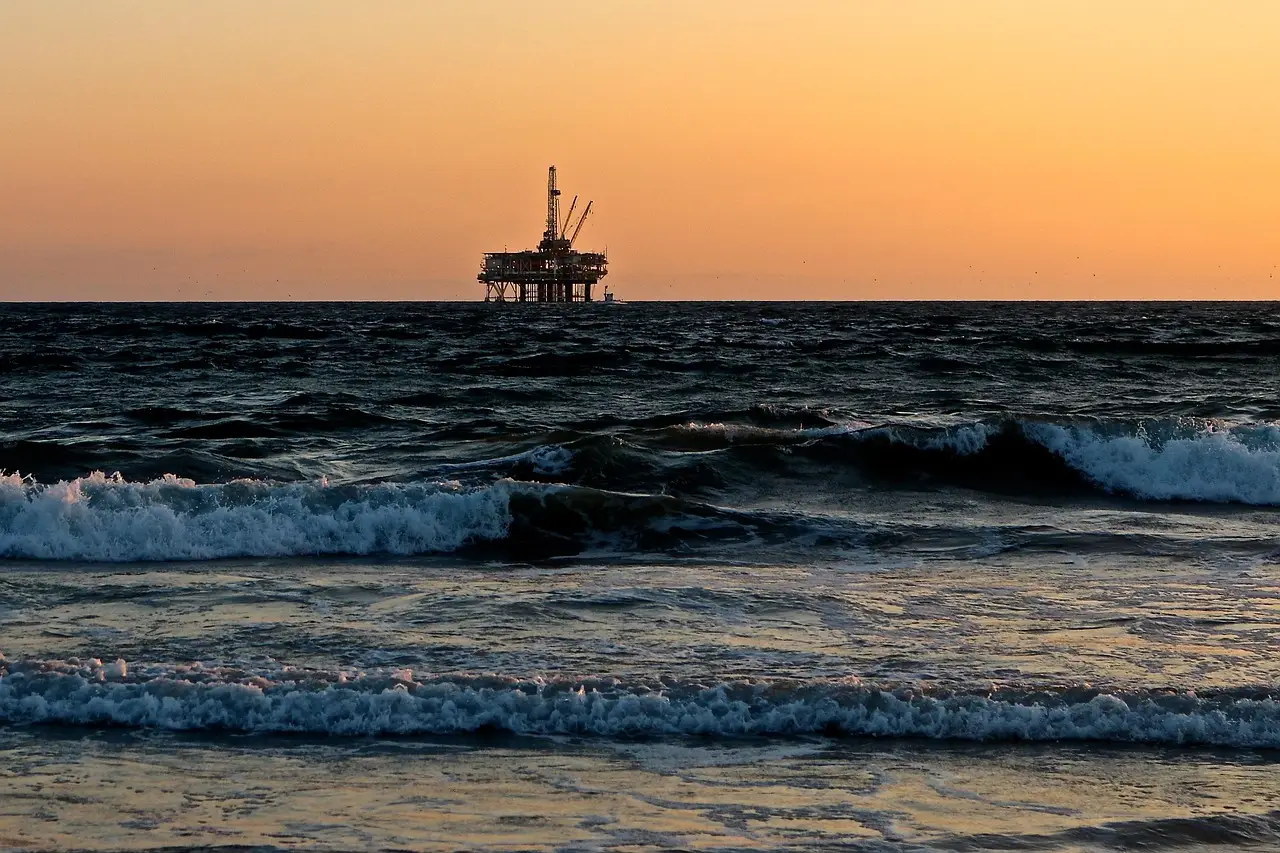
Freehold Royalties (TSE:FRU) reported third-quarter revenue of CAD 100 million and committed an initial CAD 20 million to a new Duvernay royalty deal, while telling investors that rising U.S. drilling activity should support production into 2027. The company did not disclose the total value of that commitment. That gap matters, and it frames everything below.
Production averaged 15,758 barrels of oil equivalent per day in the quarter, with crude oil and natural gas liquids making up 65% of output. President and CEO David Spyker said production grew sequentially through the year: Canadian volumes held steady from the second quarter, while the U.S. business grew modestly, led by the Permian Basin. Freehold reiterated full-year guidance of 15,500 to 16,300 BOE/d, roughly 65% weighted to oil and liquids. CFO Brad Monaco said 2027 guidance will arrive early next year — a date, not yet a number.
Why did revenue hold at CAD 100 million?
Revenue was flat against the second quarter even though benchmark West Texas Intermediate prices fell. The offset came from the U.S. Realized pricing reached nearly CAD 67 per BOE, supported by natural gas and natural gas liquids realizations as added pipeline capacity improved prices at the Waha Hub. Revenue also carried more than CAD 3 million in bonus consideration and lease rentals.
Costs moved the right way. Cash costs fell to CAD 5.31 per BOE from CAD 5.58 a year earlier, helped by lower interest expense. Funds from operations totaled CAD 80 million, or CAD 0.49 per share. Through Sept. 30, Freehold had paid more than CAD 130 million in dividends and cut long-term debt by CAD 34 million, Monaco said. Steady revenue, lower unit costs, and debt reduction — but the pricing tailwind rests on pipeline economics that can reverse as quickly as they improved.
What does the Duvernay deal actually contain?
Freehold agreed to invest alongside private operator Refraction Energy in the West Central Alberta Duvernay play. The terms are specific:
- A 3% gross overriding royalty across 179 contiguous sections in the liquids-rich West Shale Basin
- CAD 20 million payable at closing, expected in the fourth quarter
- Further funding in 2027 and 2028 as operational milestones are met, including a CAD 5 million payment tied to production milestones expected in 2028
- No disclosed ceiling on the total commitment
Spyker said the development plan could make the asset 5% to 10% of Freehold's Canadian production over the next decade, and the company can invest in additional acreage alongside Refraction. Three licensed wells, one already drilling, sit on the royalty lands, he said in response to an analyst. Initial drilling aims to establish well performance before a potential year-round, one-rig program around 2028. Monaco then applied the brake: the eventual contribution depends on well productivity and on expanding the land base. A decade-long target built on three wells deserves exactly that caution.
Spyker added that opportunities to deploy capital in Canada have increased over the past six to nine months, citing new capital entering the sector and teams formed after industry consolidation. Freehold wants liquids-weighted deals, including possibly more Montney exposure.
Is U.S. drilling activity really accelerating?
The drilling numbers say yes. Freehold reported 412 gross wells drilled on its royalty lands in the quarter, up 46% year over year; net wells rose about 8%. In Canada, activity and wells brought online rose across nearly every play, with the Clearwater leading development.
The U.S. figures sharpen the picture. American royalty lands saw 292 gross wells, mostly in the Permian. Permian drilling on Freehold's lands climbed from 135 gross wells in the first quarter to 229 in the third — against a 5% rise in basin-wide activity over the same period. Freehold's lands outpaced the basin by a wide margin, which Spyker presented as evidence of concentrated operator activity rather than a general tide lifting all acreage.
The company has spent CAD 46 million year to date on U.S. royalty assets, CAD 17 million of it in the third quarter. Production tied to the U.S. "ground game" initiative, launched in late 2024, has grown to more than 400 BOE/d. Timing caveats remain. Multi-well pads produce later because operators drill first, then fracture and tie in. Monaco said some recently drilled wells could start producing in the fourth quarter, but the bulk of their output should appear in 2027.
Freehold holds roughly 6 million gross acres in Canada and about 1.2 million gross drilling acres in the United States. The quarter is solid; the Duvernay promise is unpriced.
Audit trail
- Q3 revenue was CAD 100 million; funds from operations CAD 80 million, or CAD 0.49 per share
- Initial CAD 20 million Duvernay investment buys a 3% gross overriding royalty on 179 sections; total commitment undisclosed
- Gross wells drilled rose 46% year over year to 412; Permian wells on Freehold lands rose from 135 in Q1 to 229 in Q3
- Cash costs fell to CAD 5.31 per BOE from CAD 5.58; dividends paid topped CAD 130 million through Sept. 30
- Full-year guidance reiterated at 15,500–16,300 BOE/d; bulk of new U.S. well production expected in 2027
via dailypolitical.com (Source)
More from Tom Whitfield
Show full bio
News editor covering companies, deals and strategy in corporate finance and the leaders who run it at CFO Observer.
232 articles
Cross-references
- Tourmaline Guides to CAD 1.8 Billion 2027 Free Cash Flow
- Texas Pacific Land posts record Q3 as water royalties surge
- Targa Resources sets $6 billion adjusted EBITDA floor for 2026
- Northern Oil and Gas lifts 2026 output outlook as margins recover
- Baytex lifts 2029 output target after CAD 139 million free cash flow