Entered
Figures3 min · 624 words
Working paper
OpenAI's ChatGPT Wallet Pays Through Visa, Mastercard and Amex
OpenAI's ChatGPT Wallet made its first tokenized purchase on Visa, Mastercard and Amex rails, but liability rules, retailer blocks and a Pro-only rollout keep agentic commerce small until at least 2026.
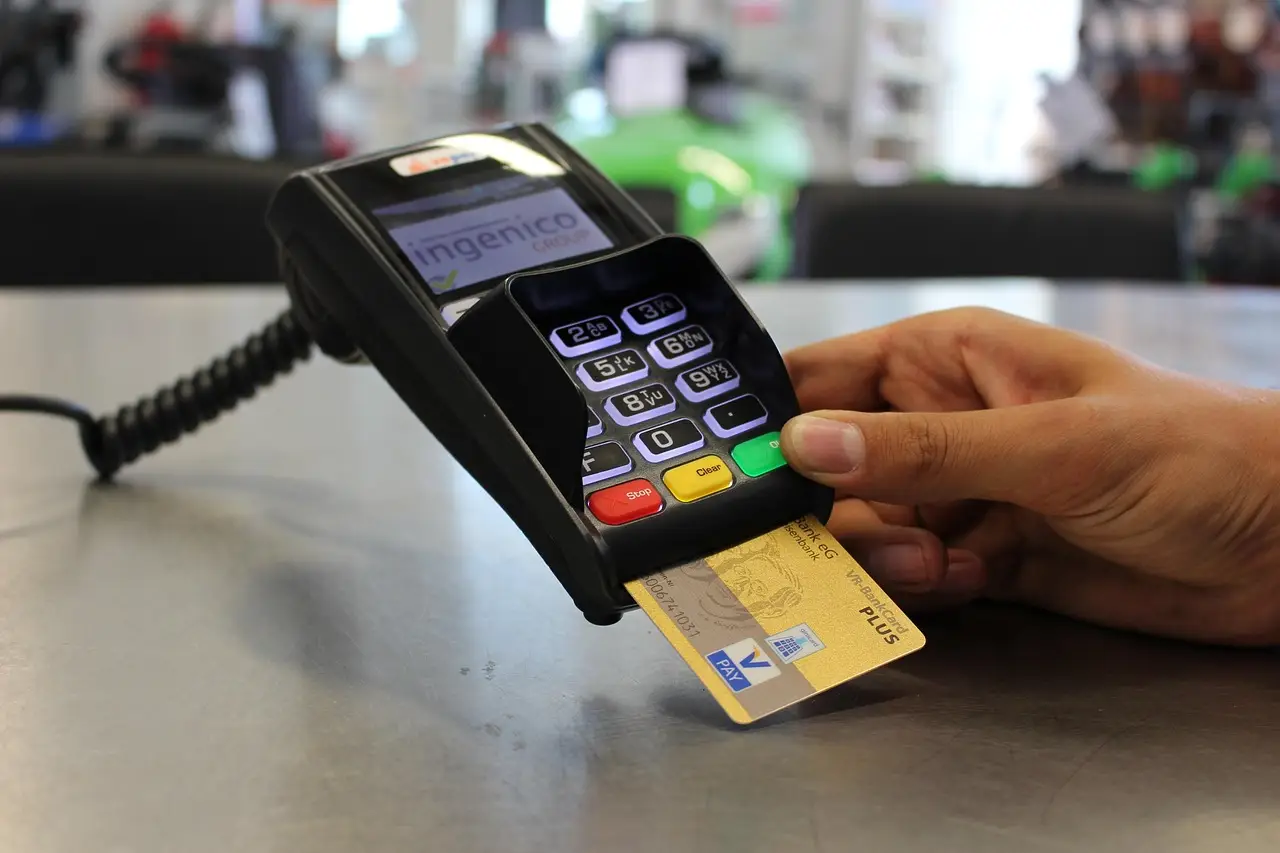
OpenAI launched its first digital wallet last week, and the inaugural ChatGPT transaction ran on Visa, Mastercard and American Express rails — one of the first documented cases of an AI agent paying automatically through the major card networks on a user's initial instructions.
The announcement lands amid a rush by AI companies and payments providers to set standards for so-called agentic commerce. The stated goal: reassure consumers that safeguards exist when agents get orders wrong, or when fraud occurs. What those safeguards will look like in detail, nobody has yet said.
What does the wallet actually do?
OpenAI framed the launch as a security milestone. "We're introducing ChatGPT Wallet, setting a new bar for secure payments by agents," the company said in a Friday post. "It's the first wallet that lets agents pay without access to users' actual card details and that requires a security check for every purchase, while also preserving existing card rewards and protections for eligible disputes."
The mechanics matter more than the marketing. The first transaction used tokenized credentials, which means the agent cannot see a cardholder's security code or expiration date. The wallet preserves card rewards and covers what OpenAI calls "eligible disputes" — a term the post did not define further.
Access is narrow. Only certain ChatGPT users, starting with ChatGPT Pro subscribers, can use the feature at launch.
Who else is moving?
The field is crowding quickly:
- Mastercard announced a first-time agentic airfare purchase last week.
- The ChatGPT wallet transaction is American Express's first agentic commerce integration, a company spokesperson confirmed by email.
- Google's Gemini and Anthropic's Claude agents are competing in the same space.
- Stripe has connected its Link digital wallet to Meta's Muse agent.
The Amex spokesperson said the company is "continuing to work with leading AI and commerce partners on additional integrations to bring trusted agentic payments and Amex Membership value into the experiences Card Members are increasingly using."
What could stall it?
The card networks themselves are tempering expectations, and the blockers are concrete. Banks and major retailers are not ready to participate. Amazon and United Airlines have blocked some agentic activity on their websites, and OpenAI concedes the limits. Transactions fail when websites block agents or when payment systems do not recognize them.
"Innovation starts slowly until it's sudden," Visa's president of value-added services, Andrew Torre, said at the KBW Fintech Ecosystem Conference. "What you've seen over the course of the last month, or two months is real interest in agentic commerce."
Torre added that clients worldwide want access to Visa's "agentic sandbox" and want to be where their consumers are. Enthusiasm, note, is not volume: card company executives do not expect widespread agent use this year.
When does the money move?
The timing looks awkward. The wallet arrives just as the U.S. year-end holiday shopping season begins, yet executives and analysts do not expect meaningful volume until next year at the earliest. Boston Consulting Group Managing Director Inderpreet Batra put the inflection further out. "We should see a lot more agentic commerce happening in 2027 as personal agents become more popular and get more adoption," he said in an interview last month.
OpenAI itself called this "early days" and defended the limited rollout. "We're starting with limited availability to ChatGPT Pro users, so we can learn from real-world use and work with businesses, banks, and payment networks to improve compatibility and reliability," the post said.
The unresolved question — who shoulders liability when an agent-driven transaction goes wrong — remains under negotiation among the networks and tech partners. Until that parameter is set, the wallet is a demonstration, not a channel.
By Tom Whitfield
Audit trail
- OpenAI launched its first ChatGPT Wallet last week; the inaugural transaction ran on Visa, Mastercard and Amex rails via tokenized credentials.
- The wallet is limited to ChatGPT Pro users at launch and requires a security check on every purchase.
- The transaction marked American Express's first agentic commerce integration; Mastercard announced a first agentic airfare purchase the same week.
- Amazon and United Airlines have blocked some agentic activity on their websites.
- BCG's Inderpreet Batra expects significant agentic commerce volume only in 2027.
via bankingdive.com (Source)
More from Tom Whitfield
Show full bio
News editor covering companies, deals and strategy in corporate finance and the leaders who run it at CFO Observer.
286 articles
Cross-references
- ChatGPT Wallet pays merchants, but no one has signed for the risk
- Visa, J.P. Morgan's Kinexys Pilot 'Know-Your-Agent' Payment Fraud Checks
- Visa's Value-Added Services Grow Over 20% as It Pushes Beyond Payments
- AI Agents Can't Grade Their Own Work, and CFOs Should Care
- Robinhood Fined $45 Million for AML and Securities Breaches