Entered
Figures4 min · 722 words
Working paper
Visa, J.P. Morgan's Kinexys Pilot 'Know-Your-Agent' Payment Fraud Checks
Visa, BILL and Billtrust let authenticated AI agents pay buyer invoices; Kinexys and Hyundai Card completed a Frankfurt euro-liquidity pilot under signed agent mandates.
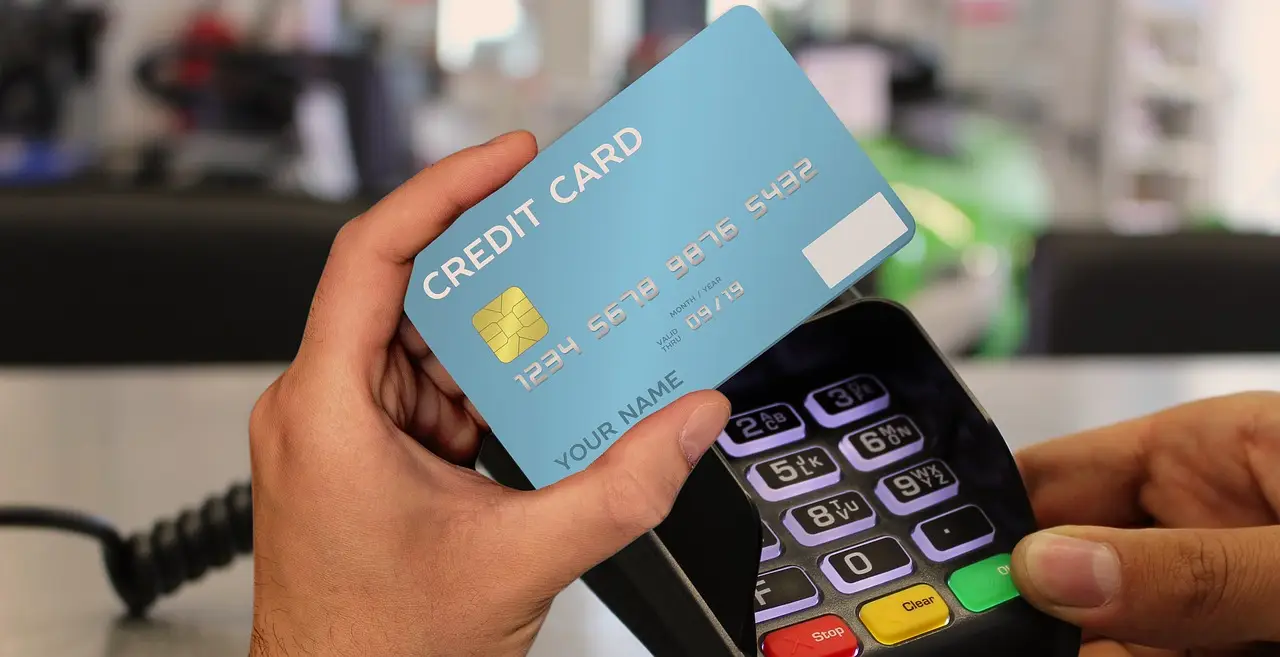
Two live pilots now let authenticated AI agents initiate and complete payments — one from Visa, BILL and Billtrust on buyer invoices, one from J.P. Morgan's Kinexys and Hyundai Card on euro treasury management — as financial services firms confront the core obstacle to agentic commerce: telling a legitimate AI agent from a malicious bot without tripping fraud alarms.
The paradox is structural. Modern anti-fraud systems analyze dozens of parameters and flag any deviation as suspicious, said Lev Brodsky, CTO of FinteqHub, a European payment orchestration platform.
"For instance, a purchase made at 3 a.m. from a cloud server's IP address that lacks the typical signs of human interaction with a website might appear suspicious, yet an AI agent executing a task on behalf of its owner is perfectly routine," Brodsky said. "This creates a paradox: technologies developed over years to protect payments from automated attacks now potentially hinder the growth of agentic commerce."
The stakes cut both ways. Open the gates too wide and fraudsters script their own "agents." Keep them shut and legitimate machine-initiated commerce stalls at the first false decline.
How does the Visa–BILL–Billtrust pilot work?
The first pilot, launched jointly by credit card processor Visa, financial operations vendor BILL and cash-generation platform provider Billtrust, lets AI agents initiate and complete approved buyer invoice payments.
The mechanics run in sequence:
- An AI agent initiates a payment within the live pilot.
- Billtrust uses Visa's Trusted Agent Protocol to recognize and authenticate that agent.
- Once authenticated, the AI agent enables BILL to complete the invoice payment.
Authentication happens before money moves. That ordering — verify the agent first, then execute — is the know-your-agent logic borrowed from the KYC discipline banks already apply to customers.
What did Kinexys and Hyundai Card test?
The second pilot sits in treasury management. Kinexys, the blockchain unit of J.P. Morgan Payments, has completed the initial phase of a pilot with Hyundai Card, the credit card service of Hyundai Motor Group.
The test case: a Hyundai Card AI agent operating under a digitally signed AI agent mandate, managing euro liquidity in a Kinexys Blockchain Deposit Account based in Frankfurt, Germany. As part of the test, the agent could request foreign exchange executions as needed to maintain the account's liquidity.
Every request passed through a verification chain before any trade moved. Wee Kee Toh, Global Head of Kinexys Insights, laid out the sequence:
"Only when Kinexys has verified the identity and authority of the Hyundai Card AI agent and evaluated its request against the pre-defined, digitally signed AI agent mandate owned and managed by Hyundai Card, can the Kinexys AI agent either auto-execute the trade, escalate to a human for review, or deny the request," Toh said.
The scope remains deliberately narrow. Toh noted: "This [proof of concept] explored one-to-one AI agent transactions, and future phases of the POC will explore one-to-many."
A one-to-many phase would mean a single agent interacting across multiple counterparties — a step-change in complexity for identity verification and mandate enforcement.
Why can't agents pick vendors on their own yet?
Both pilots mark progress toward agentic commerce, but the industry sits far from the point where agents independently select vendors, negotiate terms and complete transactions. Every payment in these tests runs inside pre-approved boundaries, under mandates a human defined in advance.
The next logical step, Brodsky said, is embedding know-your-agent protocols directly into payment systems and anti-fraud infrastructure rather than bolting them onto individual pilots.
"This would reduce false declines without compromising security," Brodsky said. "Until such infrastructure is widely adopted, agentic payments will remain limited to scenarios that require prior human approval."
What should finance leaders take away?
For CFOs and payments teams, the pilots sketch the near-term shape of agentic commerce: narrow mandates, signed credentials, human escalation paths. The Frankfurt test shows an agent can manage euro liquidity and request FX within a mandate; the Billtrust pilot shows invoice payments can clear once Visa's protocol vouches for the agent.
Until know-your-agent checks live inside the anti-fraud stack itself, machine-initiated payments will stay boxed into pre-approved scenarios. That is the current ceiling — and both pilots are testing whether it can be raised.
Audit trail
- Visa, BILL and Billtrust launched a live pilot letting AI agents initiate and complete approved buyer invoice payments via Visa's Trusted Agent Protocol.
- Kinexys, J.P. Morgan Payments' blockchain unit, completed the initial phase of a pilot with Hyundai Card covering a treasury-management use case.
- The Hyundai Card agent managed euro liquidity in a Kinexys Blockchain Deposit Account in Frankfurt and could request FX executions as needed.
- The Kinexys proof of concept covered one-to-one agent transactions; future phases will explore one-to-many.
- FinteqHub CTO Lev Brodsky says agentic payments will remain limited to pre-approved scenarios until know-your-agent protocols are embedded in anti-fraud infrastructure.
via gfmag.com (Source)
More from Amara Osei
Show full bio
Senior reporter covering companies, deals and strategy in corporate finance and the leaders who run it at CFO Observer.
297 articles
Cross-references
- Maybank Holds Back Customer-Facing AI Agents Despite $2.5 Billion Tech Push
- AWS Marketplace lets AI agents buy software within set limits
- 3 bank disruptions, NSA outage linked to botched AI patch rollout
- UBS Warns Markets Underestimate AI Agents' Threat to Ads and SaaS
- OpenAI's ChatGPT Wallet Pays Through Visa, Mastercard and Amex