Entered
Figures4 min · 824 words
Working paper
Texas Paid Starlink $109 Million After Calling Satellite 'Non-Reliable'
Texas awarded SpaceX $109 million to wire nearly 64,000 rural locations via satellite after regulators reversed course — and froze every BEAD payment in August.
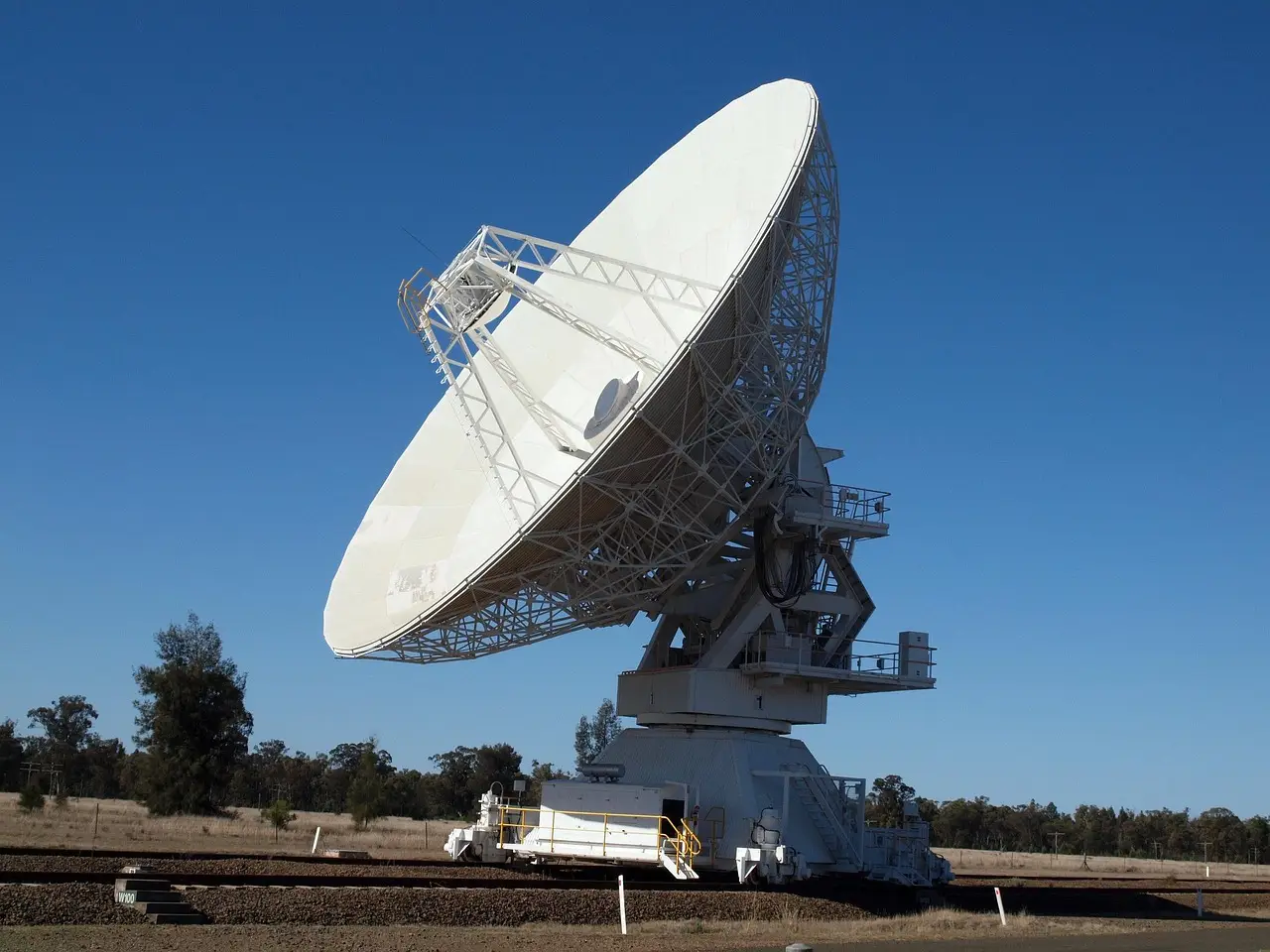
Texas awarded Elon Musk's SpaceX approximately $109 million to connect nearly 64,000 rural locations with Starlink — months after the state's own broadband plan classified satellite internet as "non-reliable" and a last resort. Payments to every Texas grant recipient have been frozen since August.
The reversal began with federal rulemaking, not state choice. Texas drew up its initial plan for a record $3.3 billion allocation under the $42.5 billion Broadband Equity, Access and Deployment program, which Congress created in 2021 within the Infrastructure Investment and Jobs Act. That plan, approved by federal regulators in 2024, called fiber "the preferred technology." The Trump administration then rewrote the rules, ending the fiber preference and requiring states to favor the lowest-cost proposals. The overhaul, pitched as acceleration, pushed the program back by another year. Commerce Secretary Howard Lutnick blamed delays in part on the previous administration's "woke mandates."
What did Texas change in its final plan?
The 2025 rewrite adopted a "technology-neutral" approach. It assigned satellite to 27% of the roughly 243,000 funded locations and spent about $1.26 billion, according to Telecompetitor. Starlink's award made it the state's largest BEAD recipient by number of locations — in a state where it is already the dominant satellite provider and one of its largest markets, according to Ookla. Newly public SpaceX reported 13.6 million Starlink consumer subscribers worldwide in the third quarter, up from 12 million in the second, when it posted its first earnings as a public company.
The performance data invite scrutiny. About one-third of Starlink users in Texas who ran speed tests in the first half of 2026 reached the FCC's minimum broadband speed, against roughly 70% of wired users, according to Ookla's Speedtest data. Drew Garner, director of policy engagement at the Benton Institute for Broadband & Society, said: "BEAD is supposed to build infrastructure that delivers real broadband, and taxpayers shouldn't pay for service that doesn't meet the government's own standards. If Starlink takes the money, states need to test its performance and claw funds back when it falls short."
Was the process tilted toward satellite?
State senators from both parties have asked exactly that. At a June 24 hearing, Sen. Charles Schwertner, Republican chair of the Senate Business and Commerce Committee, said the Texas Broadband Development Office raised the share of grant money satellite companies could collect up front while other providers waited for installments. Other applicants now want the same terms, he said: "We want the sweetheart deal that was given to the LEOs."
Under questioning by Sen. Nathan Johnson, a Dallas Democrat, office director Bryant Clayton testified that the change came at the urging of Gov. Greg Abbott's office. "The office of the governor asked us to look at how our proposed structure compared to other states," Clayton said, according to KUT. Abbott's office has denied favoring SpaceX and defended low-Earth-orbit satellite as cost-effective for rural areas.
SpaceX pressed other states too. It challenged award results in Wisconsin, Colorado, Louisiana and Virginia, arguing it should have won more locations. It also sent state broadband offices a letter seeking exemptions from requirements it said could "render LEO participation in the program untenable." An attached "contract rider" proposed exemptions from performance obligations, payment schedules, penalties, reporting, and labor and insurance standards — and asked that 50% of satellite payments, about $365 million nationally, be made immediately. NTIA advised states not to sign it. Lutnick told a Senate Appropriations Committee hearing: "That rider is outside of our guidelines, it is outside the statute, and it is rejected by us." More than 20 House Democrats wrote NTIA head Arielle Roth urging reconsideration of awards "if Starlink cannot comply with the standards that other BEAD providers have accepted." SpaceX did not respond to a request for comment.
Who investigates next?
In July, Lt. Gov. Dan Patrick and House Speaker Dustin Burrows asked the State Auditor to review the broadband office. Weeks later, it paused all BEAD payments "until further notice." In October, Gina Hinojosa, then the Democratic nominee for governor, sued for unredacted communications between Abbott's office and Musk's companies; a judge ordered inspection, an appeals court stayed it. Musk steered at least $225 million into Texas races this cycle, per OpenSecrets data reported by NPR. Hinojosa unseated Abbott on Nov. 3. Johnson won the attorney general's race and has promised to investigate the grants and audit state contracting. "I am not declaring that corruption was at work in this instance. I am saying that it sure looks like it," he said. He did not respond to a request for comment on his planned steps.
Legislative leaders will act on the auditor's findings in the January session — the same month the new officials take office.
Until then, no money moves, and the rural Texans the program was built for keep waiting.
Audit trail
- Texas awarded SpaceX about $109 million for nearly 64,000 locations after labeling satellite 'non-reliable' in its 2024 plan
- All Texas BEAD payments have been frozen since August pending a State Auditor review
- About one-third of Starlink users in Texas met the FCC minimum broadband speed in H1 2026, versus about 70% of wired users
- Musk steered at least $225 million into Texas races this cycle, per OpenSecrets data reported by NPR
- SpaceX sought a rider worth about $365 million in immediate national satellite payments; NTIA and Lutnick rejected it
via fortune.com/feed/ (Source)
More from Tom Whitfield
Show full bio
News editor covering companies, deals and strategy in corporate finance and the leaders who run it at CFO Observer.
286 articles
Cross-references
- SpaceX’s $74 Billion AI Build Faces a 6,000 MW Grid Test
- SpaceX could need $300 billion and four to six years to rival Verizon
- TDS raises telecom capex as fiber gains lag legacy pressure
- Tesla’s Cybertruck Wind-Down Puts Cybercab in the Driver’s Seat
- Gulfport Energy Targets 20% Cost Cuts, Two-Rig Appalachia Push by 2027