RefE-689
Entered
Figures4 min · 891 words
Working paper
Torex Gold Lifts Q3 Production 37%, Cuts Costs 27% at Morelos
Torex Gold lifted Q3 production 37% to 132,000 ounces and cut all-in sustaining costs 27% to $1,803/oz, with free cash flow rising to $150 million on higher grades at Morelos.
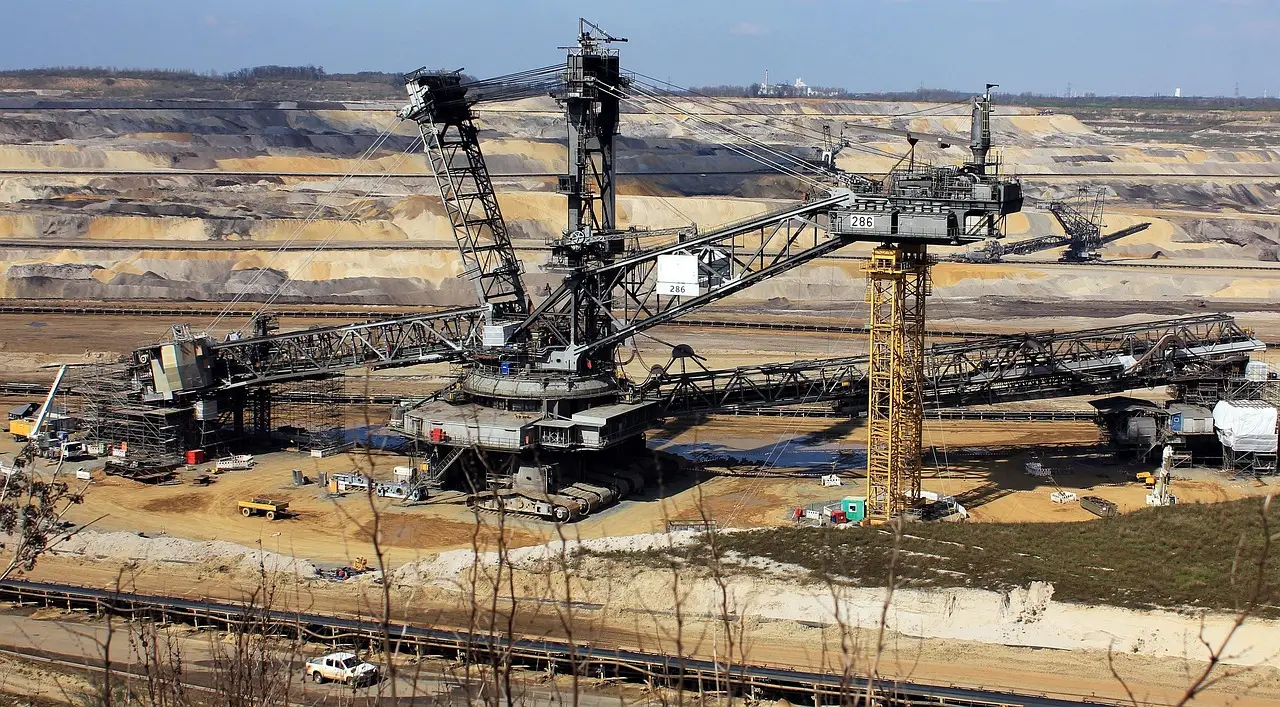
Torex Gold Resources produced 132,000 ounces of gold in the third quarter of 2026, a 37% jump from the second quarter, while all-in sustaining costs fell 27% to $1,803 per ounce. President and CEO Andrew Snowden and CFO Dan Rollins delivered the figures on the company's earnings call, and the numbers behind them moved fast: free cash flow rose to $150 million from $94 million, and adjusted EBITDA climbed to $344 million from $204 million a quarter earlier.
Higher grades did the heavy lifting. Planned mine sequencing pushed operations into higher-grade stopes at the Morelos complex in Guerrero, Mexico — currently the country's largest single gold producer. The average mined grade rose to roughly 4.6 grams per ton of gold equivalent, up from 3.7 grams in the second quarter. Gold recovery improved by 2.8 percentage points to 88%, and copper recovery ran at approximately 95%.
The quarter generated real cash for owners. Torex returned $95 million to shareholders and closed September with $226 million in cash.
Where does full-year guidance stand?
Unchanged, and comfortably on track. Torex maintained production guidance of 420,000 to 470,000 ounces. Through September it had produced about 329,000 ounces — 74% of the guidance midpoint. Year-to-date all-in sustaining costs of $2,025 per ounce sit within the $2,000 to $2,100 range.
Snowden expects fourth-quarter grades to hold near third-quarter levels, and he suggested 110,000 to 115,000 ounces per quarter as a benchmark at current plant throughput. For 2027, he said production and grades should run more stable than in 2026, when the first half trailed the second.
Costs tell a tighter story. Rollins said 2027 all-in sustaining costs should stay relatively consistent with 2026 guidance, despite pressure on consumable prices, higher sustaining capital tied to the Media Luna North startup and additional equipment, and projects to support greater plant throughput. Cyanide consumption declined moderately in the quarter but stayed above budget; Snowden called current consumption a reasonable placeholder for at least the next 12 months.
The takeaway: Torex hit the higher-grade zones it scheduled, and the margin leverage flowed straight through.
How big can the plant get?
Two expansions, two price tags. The first begins in the first quarter of 2027: a debottlenecking program targeting the cyanide destruction circuit through operating changes and equipment updates, including pipes and pumps. The work should lift capacity to roughly 12,000 tons per day — from a third-quarter average of 10,800 — at a plant capital cost of about $5 million. Snowden expects completion by the end of 2027, full-year benefit in 2028, and roughly 50,000 ounces of added annual production depending on throughput, grade, recovery and feed.
The second expansion is bigger and still a question. Adding flotation capacity and supporting equipment would raise capacity to 14,500 tons per day at an estimated cost of about $100 million, adding a further 100,000 ounces annually. Torex expects to decide in the first quarter of 2028, after more drilling at the San Miguel corridor.
Feeding a larger plant may cost more still. Snowden estimated about $50 million for expanded underground material handling and a conveyor motor change. Rollins flagged that a new mining front could be needed; accelerating Media Luna West might require an additional $100 million to $150 million, with the development approach hinging on drilling results.
At Media Luna North, first ore remains on track for late 2026. Snowden said the mine should average approximately 1,000 tons per day in 2027, finish that year near 1,400 tons per day, and then ramp toward its 2,300-ton-per-day design capacity.
What happens to cash flow next quarter?
A timing hiccup, not a demand problem. Rollins said fourth-quarter operating and free cash flow will be lighter because of payment timing on Torex's first direct concentrate sale to a smelter: revenue lands in the fourth quarter, cash arrives in the first quarter of 2027, leaving an estimated $120 million accounts receivable build at year-end.
Shareholder returns keep compounding. Through September, Torex returned $271 million — 77% of its $350 million target for 2026 — comprising $239 million in buybacks and $32 million in dividends. The company repurchased approximately 4.9 million shares at an average price just over 67 Canadian dollars each.
What lies beyond the current mines?
Drilling to date supports a mineralized corridor extending at least four kilometers westward from Media Luna toward Media Luna West. Torex intends to publish a maiden resource estimate for San Miguel in the first quarter of 2028. Snowden described the corridor as having potential for a multi-million-ounce gold-equivalent deposit, while acknowledging further drilling is needed.
At Los Reyes, Torex targets a pre-feasibility study for late 2027. Six rigs are active with nearly 100 people on site, and Snowden said conditions in the project's area of interest remained calm during the quarter after security challenges kept the company off site until May.
Torex is also advancing a planned New York Stock Exchange listing, subject to exchange approval and listing conditions. All amounts were in U.S. dollars unless noted.
In plain terms: a strong quarter, funded returns, and a 2027-2028 pipeline of expansion decisions now priced and dated.
Audit trail
- Q3 2026 production rose 37% quarter-over-quarter to 132,000 ounces; AISC fell 27% to $1,803/oz.
- Free cash flow increased to $150 million from $94 million; adjusted EBITDA rose to $344 million from $204 million.
- Torex maintained full-year guidance of 420,000–470,000 ounces, with 329,000 ounces produced through September.
- A $5 million debottlenecking project starting Q1 2027 targets 12,000 tons per day; a larger $100 million expansion decision is due Q1 2028.
- Shareholder returns reached $271 million year-to-date, 77% of the $350 million 2026 target.
via dailypolitical.com (Source)
More from Amara Osei
Show full bio
Senior reporter covering companies, deals and strategy in corporate finance and the leaders who run it at CFO Observer.
167 articles