Entered
Figures4 min · 736 words
Working paper
Tyson Foods Posts $453M Net Income, Cuts Fiscal 2027 Outlook
Tyson Foods posted fiscal 2026 net income of $453 million, down 4.43%, with beef losses of $654 million; 2027 guidance calls for revenue down 3.5%-5.5%.
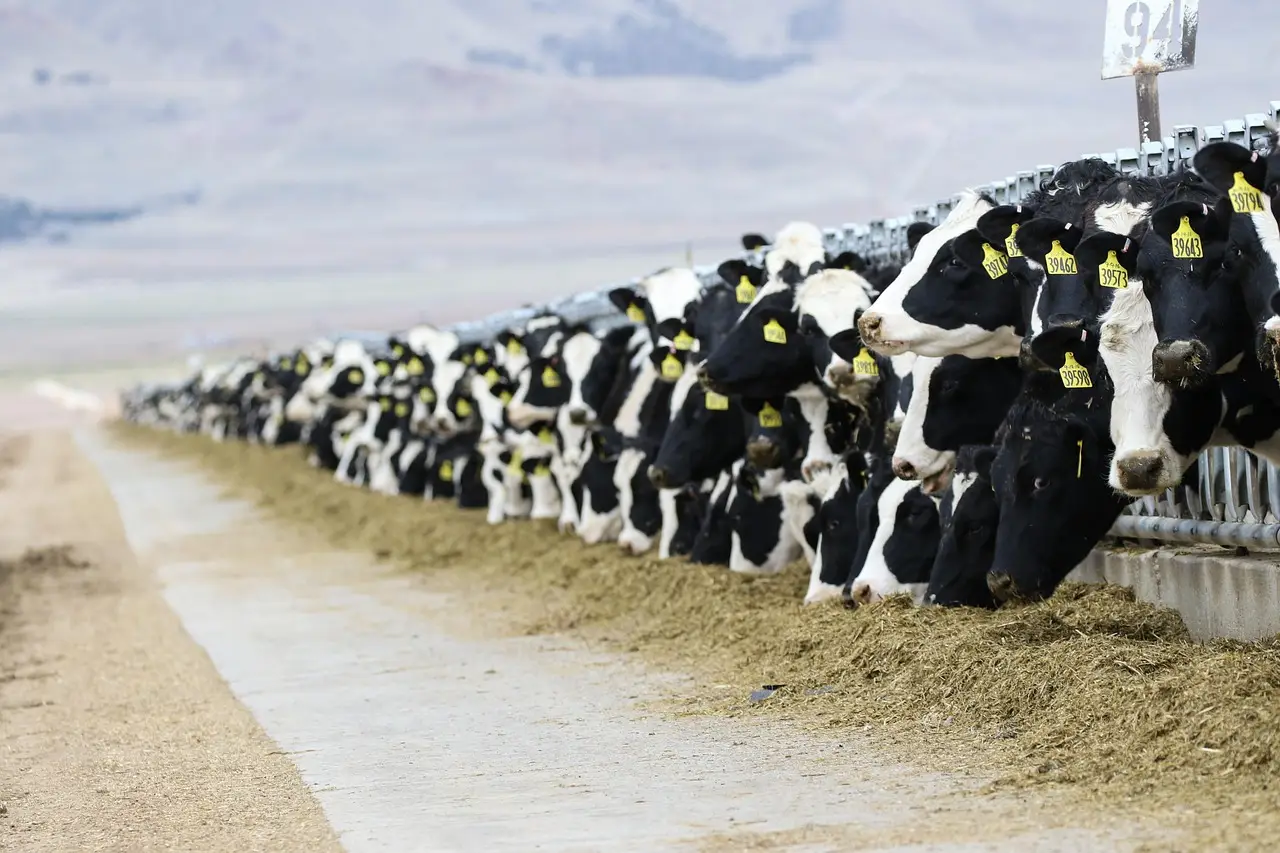
Tyson Foods reported fiscal 2026 net income of $453 million, down 4.43% year over year, and simultaneously lowered its fiscal 2027 guidance — yet shares climbed 6.94% to $62.91 by midday Monday, Nov. 16, on a fourth-quarter earnings beat. For finance teams watching protein-sector margins, the divergence between the headline beat and the guided revenue decline tells the real story of the year ahead.
Annual revenue rose 3.63% to $56.419 billion for the fiscal year ended Oct. 3. Operating income fell to $1.98 billion from $2.29 billion a year earlier. The fourth quarter itself produced a pre-adjustment loss of $74 million, versus net gains of $47 million in the prior-year quarter, on revenue of $14.585 billion, up 5.23%.
How Did Tyson Beat Expectations?
On an adjusted basis, Tyson earned 61 cents per share in the fourth quarter, topping the consensus estimate of 52 cents. The adjustment was not trivial. Tyson booked $196 million in gains from restructuring benefits and $125 million in legal contingency accruals to reach the adjusted figure — roughly comparable to reclassifying a one-off litigation charge as operating noise rather than a cost of doing business.
"Our performance in fiscal 2026 reflects the strength of our diversified multi-protein model and our dedication to our customers and consumers," said Jeff Schomburger, president and CEO of Tyson Foods. "As we look ahead, our priorities are clear: earn consumer preference and be indispensable to our customers."
Schomburger said Tyson will keep focusing on operating efficiencies, innovation, and returns amid current market conditions and slightly improving beef fundamentals (the underlying supply-demand forces, here tight cattle supplies beginning to ease).
What Drove the Segment Results?
Beef remained the drag on profitability. The segment generated $21.66 billion in annual revenue, essentially flat from $21.62 billion, but posted an adjusted operating loss of $654 million — more than double the $275 million loss in fiscal 2025, though better than the $750 million loss Tyson had forecast. For the quarter, beef lost $171 million on sales of $13.526 billion, down 2.3% year over year.
Chicken, historically the offset, weakened. Annual operating income came in at $1.859 billion, down 1.74%, on revenue of $17.564 billion, up 4.3%. Fourth-quarter chicken revenue rose 8.3% to $4.811 billion, but adjusted operating income dropped 31.6% to $389 million. Weaker food-service sales and excess industry-wide supply have cut pricing power for the foreseeable future.
Prepared foods delivered the standout performance. Annual revenue rose 5.6% to $10.495 billion, with adjusted operating income of $1.332 billion, up from $1.263 billion. Quarterly revenue grew 8.16% to $2.754 billion, and operating income rose 15.46% to $321 million.
Pork was mixed: annual sales up 9.4% to $6.328 billion, but operating income slipped to $228 million from $239 million. Quarterly pork sales rose 10.3% to $1.56 billion while operating income fell 65% to $16 million.
International sales totaled $2.427 billion for the year, up 5.9%, with operating income of $1.332 billion, up 5.4%. Quarterly international sales reached $667 million, up 14%, with operating income of $49 million — a $9 million improvement over the same period last year.
What Does the 2027 Guidance Change?
Tyson guided fiscal 2027 revenue down 3.5% to 5.5%, citing lower beef production volumes from restructuring and tight cattle supplies. The company forecast adjusted operating income of $1.7 billion to $2.15 billion.
Two segment-level calls matter most for planners. Beef losses should narrow, with guidance spanning a $300 million loss to a $100 million gain — a marked improvement from the $654 million lost in 2026. Chicken profitability, by contrast, is expected to fall to between $1.3 billion and $1.6 billion, down from $1.86 billion.
Tyson also raised its quarterly dividend by roughly 2%, a signal of balance-sheet confidence even as beef headwinds persist. Pooran Sharma, equity analyst with Stephens Inc., said beef improvements are encouraging, but with chicken challenges ongoing, the firm remains neutral on the stock.
Over the past 52 weeks, Tyson shares (NYSE: TSN) have traded between $49.96 and $69.48. The market's verdict on Monday rewarded the beat; the guidance implies the recovery trade still depends on beef fundamentals turning faster than chicken deteriorates.
Audit trail
- Fiscal 2026 net income was $453 million, down 4.43%, on revenue of $56.419 billion, up 3.63%.
- Q4 adjusted EPS of 61 cents beat the 52-cent consensus; shares rose 6.94% to $62.91 on Nov. 16.
- Beef posted an adjusted operating loss of $654 million, versus a $275 million loss in fiscal 2025.
- Fiscal 2027 guidance: revenue down 3.5%-5.5%, adjusted operating income of $1.7-$2.15 billion.
- Tyson raised its quarterly dividend by about 2%.
via talkbusiness.net (Source)
More from Marcus Bennett
Show full bio
Correspondent covering people, launches and day-to-day practice in corporate finance and the leaders who run it at CFO Observer.
277 articles
Cross-references
- Tyson Foods Braces for 18% Profit Drop to Close Fiscal 2026
- Tyson's Beef Segment Braces for $775 Million Loss in Fiscal 2026
- Simply Good Foods beats estimates, but revenue guidance misses
- Qualys Beats on EPS and Revenue, Yet Shares Fell on Outlook
- Qualys Lifts 2026 Outlook After 11% Revenue Growth in Q3