Entered
Figures2 min · 428 words
Working paper
U.S. Proposes Section 301 Tariffs on 14 Trading Partners
The U.S. proposed Section 301 tariffs on 14 economies including China, the EU and India, citing excess factory capacity. A hearing is set for January 25, 2027; Brazil threatens retaliation.
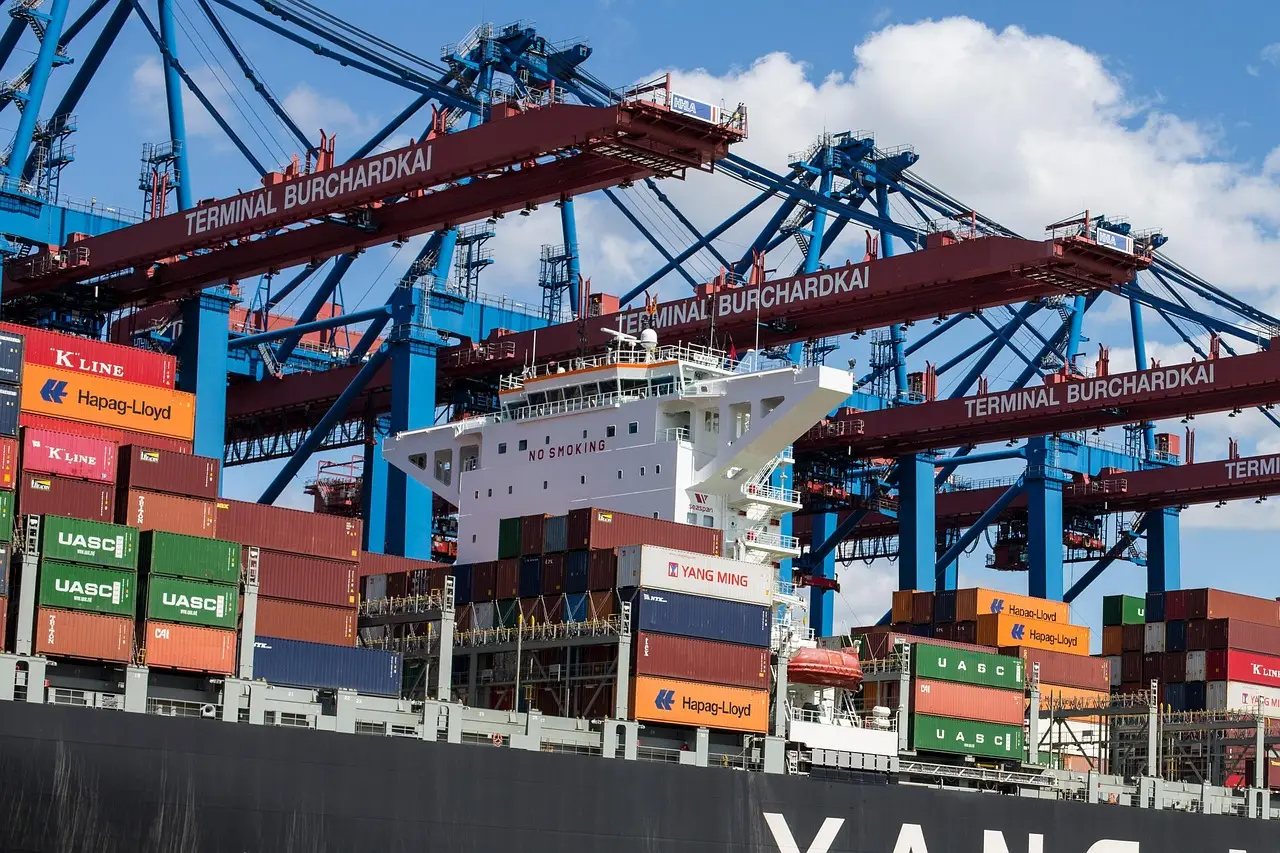
Fourteen economies face proposed new U.S. import duties, announced Wednesday by Trade Representative Jamieson Greer under Section 301 of the Trade Act of 1974. The list includes China, the European Union, Japan, South Korea, Brazil and India — a sweep that covers most of America's major trading relationships, though none of the duties is in force yet.
The legal footing matters. Section 301 lets Washington investigate and respond to foreign trade practices it considers unfair. Greer's findings argue that the targeted economies' industrial policies encourage excess manufacturing capacity, disadvantaging American producers.
What does the proposal actually do?
The proposed duties vary by economy and by product. Some carry exceptions. Some account for tariffs already in place. Nothing takes effect automatically.
Two procedural steps remain. The administration will seek public comment, and it has scheduled a hearing for January 25, 2027. Final action comes only after both.
- Basis: Section 301, Trade Act of 1974
- Target: 14 economies, including China, the EU, Japan, South Korea, Brazil and India
- Trigger cited: Industrial policies said to build excess manufacturing capacity
- Hearing: January 25, 2027
- Status: Proposed only; duties not yet in force
Why did the administration change course?
A U.S. Supreme Court ruling in February blocked President Donald Trump's use of emergency powers to impose broad tariffs. That decision closed one legal route. The Section 301 process, with its investigations, findings and hearings, is the administration's alternative path for its trade policy.
The shift moves the fight from emergency authority to a slower, litigation-hardened statute. Slower, but harder to strike down.
Who is pushing back?
Brazil has criticized the proposal and threatened retaliation. Whether other named economies follow, and what form any response takes, will shape the final tariff schedule.
The White House framing is producer protection. Critics, including the original report's observation, point the other way: American consumers ultimately pay the tariff bill. President Trump, the report noted, has returned to tariffs without seeming to register that long-suffering U.S. consumers carry the cost.
What should finance desks watch?
The January 25, 2027 hearing is the fixed date. Before it, public comments will signal which product lines survive. The proposals' exceptions and offsets against existing duties mean the effective new burden on any given import stream is not yet calculable.
Brazil's retaliation threat is the nearest-term flashpoint. The February Supreme Court ruling guarantees any final action will face legal challenge too.
The takeaway: these tariffs are proposals, not policy — but they mark a durable, court-tested strategy to keep levies coming.
Audit trail
- USTR Jamieson Greer announced proposed tariffs on 14 economies on Wednesday under Section 301.
- Targets include China, the EU, Japan, South Korea, Brazil and India.
- A public hearing is scheduled for January 25, 2027, before final action.
- A February U.S. Supreme Court ruling blocked Trump's emergency-power tariffs.
- Brazil has criticized the proposal and threatened retaliation.
via netnewsledger.com (Source)
More from Amara Osei
Show full bio
Senior reporter covering companies, deals and strategy in corporate finance and the leaders who run it at CFO Observer.
312 articles
Cross-references
- US Trade Chief Says Canada Deal Is Close, But Flags China Concerns
- White House Hits 14 Economies With New Tariffs as PCE Inflation Runs 3.8%
- Importers Move Closer to $166 Billion in Universal Tariff Rebates
- A $300 Million Bet That Vietnam Can Outgrow the Assembly Line
- Trade’s $4 Trillion Achilles’ Heel Draws New Capital