Entered
Figures4 min · 747 words
Working paper
Colorado scraps flat tax: rates to 8.4 percent, $2 billion raised
Colorado voters approved Amendment 87, trading a flat 4.4 percent income tax for graduated rates of 3.7 to 8.4 percent and about $2 billion in annual new revenue for schools and healthcare.
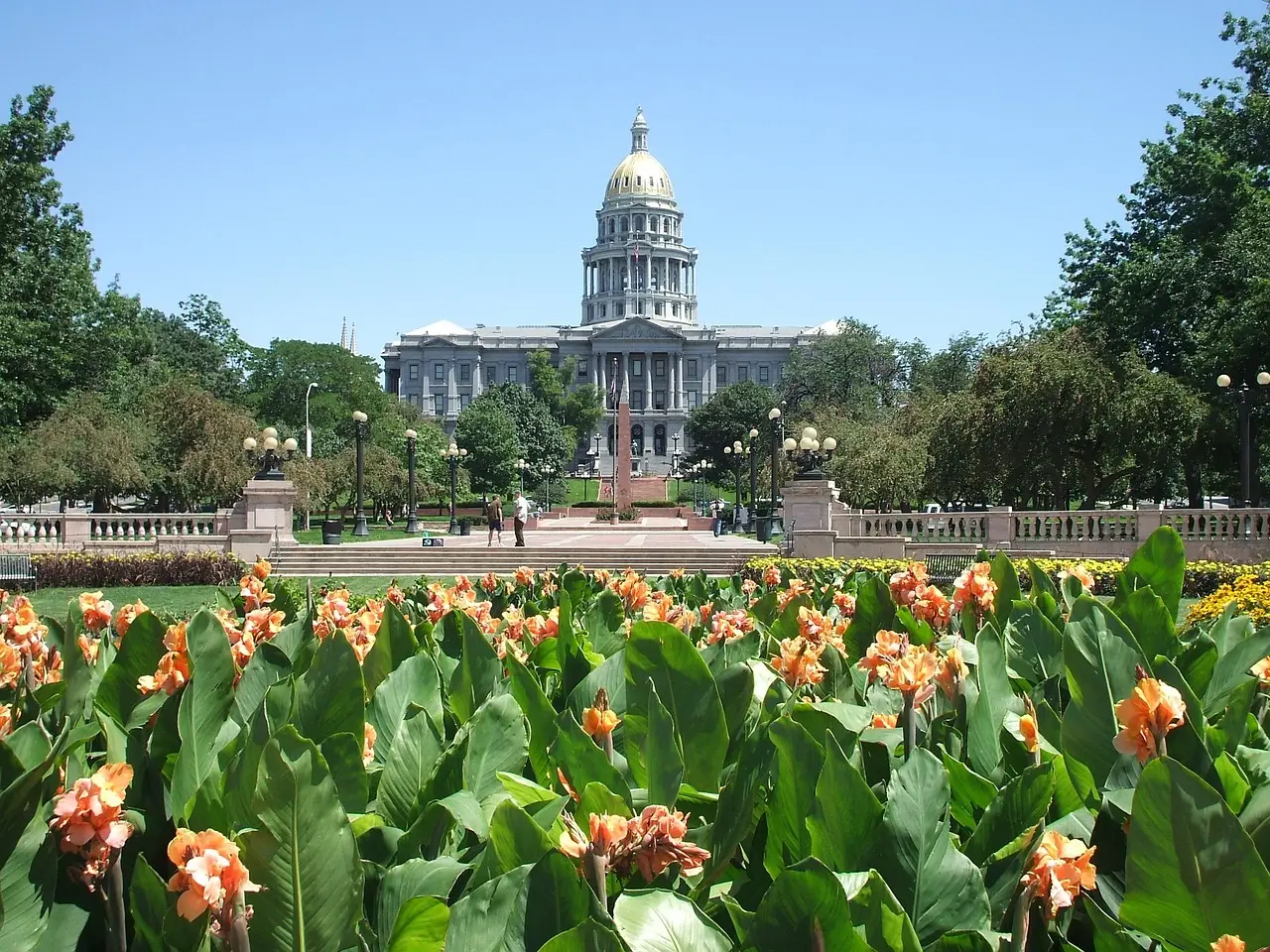
Colorado's flat 4.4 percent income tax is dead. In January, Amendment 87 replaces it with graduated personal and corporate rate structures running from 3.7 to 8.4 percent, raising roughly $2 billion a year for K-12 education, healthcare, and childcare.
Voters approved the measure, also known as Initiative 195, last week. The result ends a peculiarity of Colorado fiscal policy: the state's richest residents have until now enjoyed its lowest effective tax rates. The change also removes the uniform-rate requirement from the Taxpayer's Bill of Rights, the constitutional spending-and-tax constraint known as TABOR — the first direct voter amendment to TABOR since its passage in the early 1990s. Flat taxes, it turns out, are durable only until the electorate tires of them.
Who pays more, and who pays less?
The mechanics are straightforward. The measure maintains or reduces rates on income below $500,000 and levies higher rates above that threshold. The vast majority of Coloradans receive an income tax cut; only households in the richest 3 percent pay more.
Pre- and post-Amendment 87 comparisons show the richest 1 percent of Coloradans moving into rates more in line with the state's middle-class families. Most low- and middle-income residents will see lower overall effective tax rates (the total tax paid divided by total income). In the lexicon of tax policy, this is what progressivity looks like.
The corporate side follows the same logic. The corporate tax increase will fall overwhelmingly on large multinational corporations with shareholders located across the country and the world. According to the analysis behind the measure, more than 90 percent of the corporate tax increase will ultimately fall on people who are not Coloradans. Profitable corporations will now help fund services that directly benefit the state's residents, which supporters describe as a reasonable and needed reform.
Is Colorado alone in taxing the rich?
It is not. Colorado joins a growing number of states using ballot measures to raise revenue from top earners.
- California. This year voters passed Proposition 3, making permanent the state's current income tax rates on its richest households. Those rates contribute $10 billion every year to schools, roads, and other priorities and would have expired after 2030 without further action.
- Massachusetts. In 2022 voters approved a 4 percent surcharge on income over $1 million. The so-called millionaires' tax has since brought in billions each year for education, infrastructure, and transportation — more than $3.1 billion this year alone, continuing to exceed expectations.
- Arizona. In 2020 voters approved Proposition 208, a 3.5 percent surcharge on high-income individuals: single filers above $250,000 and joint filers above $500,000. Anti-tax lawmakers then undermined the will of the voters, drastically cutting taxes for that same group and moving the state to a flat income tax with the nation's lowest rate, 2.5 percent. The result, per the Institute on Taxation and Economic Policy, was heightened regressivity and badly underfunded schools.
The ballot measures sit alongside a growing legislative effort across the country to improve tax fairness, raise revenue, and fund public services. Arizona offers the counter-example: what voters grant, a legislature can partially take back.
What did Colorado voters reject?
Alongside passing Amendment 87, Colorado voters rejected Proposition 136, also known as Initiative 232. That measure, added after the fact to undermine Amendment 87, would have capped the state's corporate and personal income tax rates at 4.4 percent — the existing flat rate. In effect, it would have stripped the legislature of the ability to enact popular revenue measures such as a millionaires' tax or higher taxes on high earners for schools and other public services.
Voters declined the offer. In a political environment where moneyed interests spend heavily to avoid paying more for the society that enables them, and all communities, to thrive, these voter-approved measures for progressive taxation stand out.
The timing is not incidental. Federal tax and spending cuts passed in 2025 will make it imperative that states retain options to raise revenue fairly, according to the analysis accompanying the measure. After decades of TABOR and flat taxes, Colorado voters have opted to raise needed revenue, fund core priorities, and prioritize their people and communities. The state now moves in a more equitable and sustainable fiscal direction, and its residents will reap the benefits of the decision. Whether other flat-tax states follow is a question for future ballots.
Audit trail
- Colorado's Amendment 87 replaces the flat 4.4 percent income tax with graduated rates of 3.7 to 8.4 percent from January.
- The measure raises approximately $2 billion a year for K-12 education, healthcare, and childcare.
- Only households in the richest 3 percent pay more; over 90 percent of the corporate increase falls on non-Coloradans.
- It is the first direct voter change to TABOR since the early 1990s; voters also rejected Proposition 136's 4.4 percent rate cap.
- Massachusetts' 2022 millionaires' tax generated more than $3.1 billion this year; California's Proposition 3 secured $10 billion annually.
via itep.org (Source)
More from Sophie Lindqvist
Show full bio
Market editor covering technology and product news in corporate finance and the leaders who run it at CFO Observer.
261 articles
Cross-references
- Election Sweeps in Tax-Fairness Majorities; ITEP Maps the Road
- Billionaires Spent $400 Million to Kill California Wealth Tax
- Democratic Congress Signals Tax Fights Ahead for 2027
- CAP Paper: Tax Code Must Catch Up to Business Income Migration
- Middle-Income Households Lose $1,670 in 2026 Under Trump Tax Policy