Entered
Figures3 min · 671 words
Working paper
Indonesia's 8% Growth Target Hinges on Contract Certainty, US Investors Say
Indonesia targets 8% growth by 2029 after 5.47% expansion in Q3 2026, but US investors warn contract certainty and regulatory consistency must improve first.
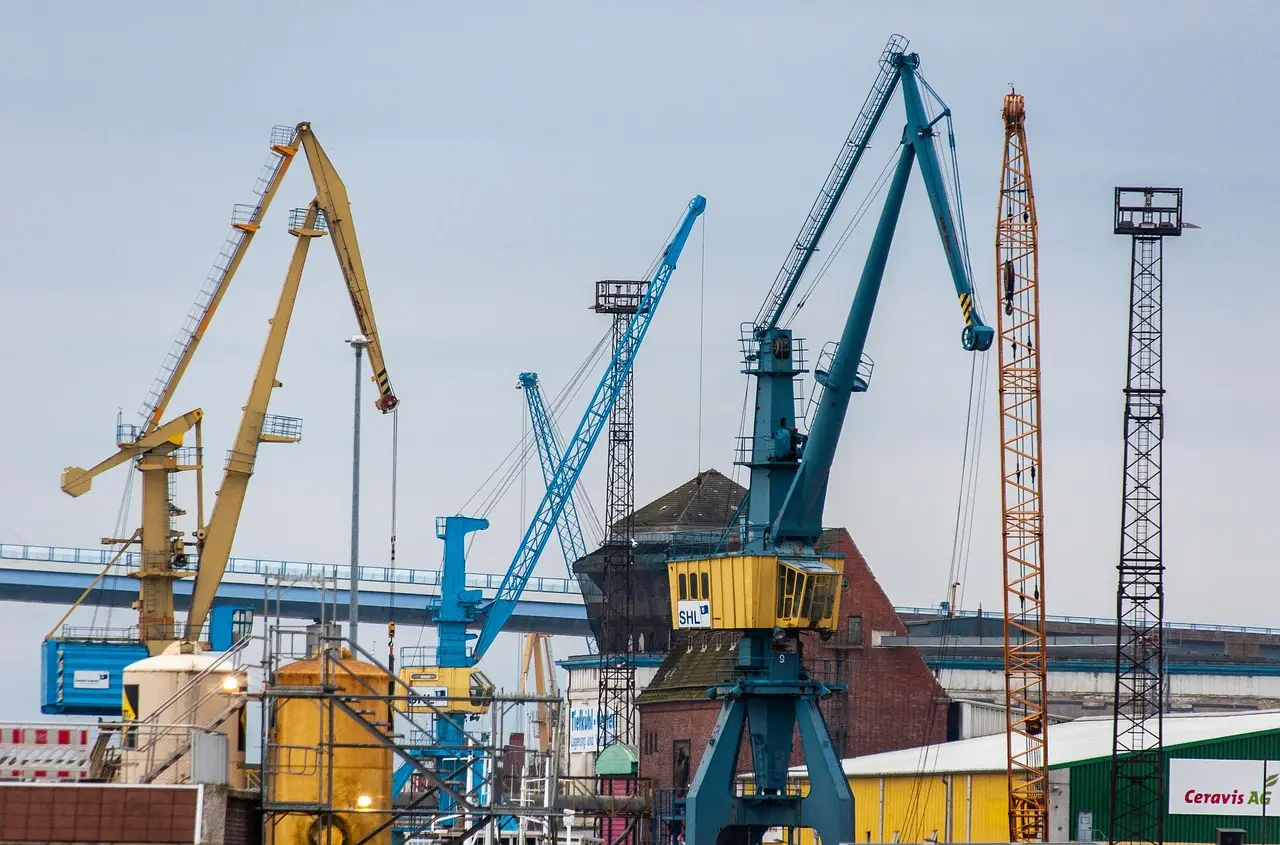
President Prabowo Subianto wants 8% economic growth by 2029. Indonesia's economy expanded 5.47% year-on-year in the third quarter of 2026, and the government is targeting 6% growth in 2027 — numbers that leave no room for a further erosion of investor confidence.
That confidence is already under strain. A volatile stretch for the stock market, pressure on the rupiah, and concerns over fiscal discipline have raised questions about Southeast Asia's largest economy, sharpened by MSCI's proposal to reclassify Indonesian equities to "standalone" status — outside the benchmark emerging-market indexes that guide global portfolios.
Yet the long-term investment case remains strong, argues the leader of a recent business delegation of 33 American companies to Jakarta, who met senior government officials and business leaders across the Indonesian capital. The takeaway from those engagements: the U.S. business community remains committed to the Indonesian market. "But confidence cannot be taken for granted."
What does Indonesia need to unlock the next wave of investment?
The first requirement is confidence in the rules. Businesses can manage commercial risk; what they cannot easily manage is uncertainty over whether established agreements will be honored or regulations applied consistently.
Energy offers the clearest example:
- In oil and gas, regulations allowing changes to production-sharing contracts, including cost recovery and tax provisions, illustrate why contractual certainty remains unresolved.
- Indonesia's push for greater national control over natural resources has raised questions about the long-term security of investments made over decades, not quarters.
- The OECD, which Indonesia aspires to join, emphasizes the sanctity of contracts, as does the World Bank's Business Ready framework.
A new Oil and Gas Bill, now under consideration in Parliament, offers an opening. The proposed legislation would overhaul the management of upstream operations and clarify certain investment provisions. Protecting existing commitments, providing competitive fiscal terms, and improving regulatory certainty would help unlock investment in domestic production.
The principle extends beyond energy. In manufacturing, changes to import licensing requirements have previously left thousands of containers stranded at Indonesian ports. In technology, overlapping data localization rules and evolving cross-border transfer requirements complicate investment in cloud infrastructure and digital services.
Can Indonesia compete for mobile capital?
Second, the country must make it easier to do business. Across Southeast Asia, governments compete for investment, industries, and skilled jobs — and Indonesia cannot rely on market size alone.
The friction is concrete. Border delays can stall production and raise costs for manufacturers needing equipment and components not yet available domestically. In healthcare, duplicative testing and certification requirements slow access to medicines and medical technology; requirements that duplicate internationally recognized standards without improving outcomes impose avoidable costs.
Equally important is meaningful consultation: engaging businesses early, allowing adequate time to review proposals, and incorporating practical industry feedback before rules are finalized.
How does investment build domestic capability?
Third, investment must strengthen Indonesia's own capacities — an objective President Prabowo has emphasized and American businesses share. Local content requirements that exceed domestic production capacity can delay projects; a more effective approach would pair realistic requirements with supplier development, workforce training, and technology transfer.
The digital economy adds another lane. Clear, practical rules for artificial intelligence, cloud computing, and cybersecurity can help Indonesian businesses adopt new technologies and create skilled jobs.
What comes after the dialogue?
The delegation leader left Jakarta encouraged by the government's willingness to engage. "But the real measure of progress will be what follows those discussions. Dialogue matters. Implementation matters more."
Market confidence is fragile, and political uncertainty carries economic costs. Investors are watching not only Indonesia's growth prospects but the consistency and credibility of its economic policies.
"American companies are not short-term speculators. We are long-term investors and partners. Our commitment to Indonesia has endured through economic downturns and political transitions." Indonesia does not need to convince them of its potential, the argument runs; it needs to translate that belief into more investment and more jobs — starting with consistent, fair treatment of investors and commitments they can count on.
Audit trail
- President Prabowo Subianto targets 8% economic growth by 2029; GDP grew 5.47% year-on-year in Q3 2026.
- MSCI has proposed reclassifying Indonesian equities to standalone status outside benchmark emerging-market indexes.
- A business delegation of 33 American companies recently visited Jakarta for talks with government officials.
- A new Oil and Gas Bill under consideration in Parliament would overhaul upstream operations management.
- Import licensing changes previously left thousands of containers stranded at Indonesian ports.
via fortune.com/feed/ (Source)
More from Amara Osei
Show full bio
Senior reporter covering companies, deals and strategy in corporate finance and the leaders who run it at CFO Observer.
297 articles
Cross-references
- Indonesia Signs $71.8 Billion China Investment Pledges
- S&P 500 to Sit 12% Lower by End-2027 as AI Capex Rolls Over, Economists Say
- Anthropic's $64.35 Billion IPO Meets an AI Boom Nearing Its 'Final Stages'
- Anthropic's IPO will test venture's stretched economics
- AI stocks slide after Anthropic’s record $81.34 billion IPO