Entered
Figures4 min · 836 words
Working paper
Tesla Pitches Self-Driving to Seniors as Regulators Probe Red-Light Crashes
Tesla markets FSD Supervised as freedom for seniors, but its own documentation demands an attentive driver. NHTSA is probing red-light crashes and a $243 million verdict stands.
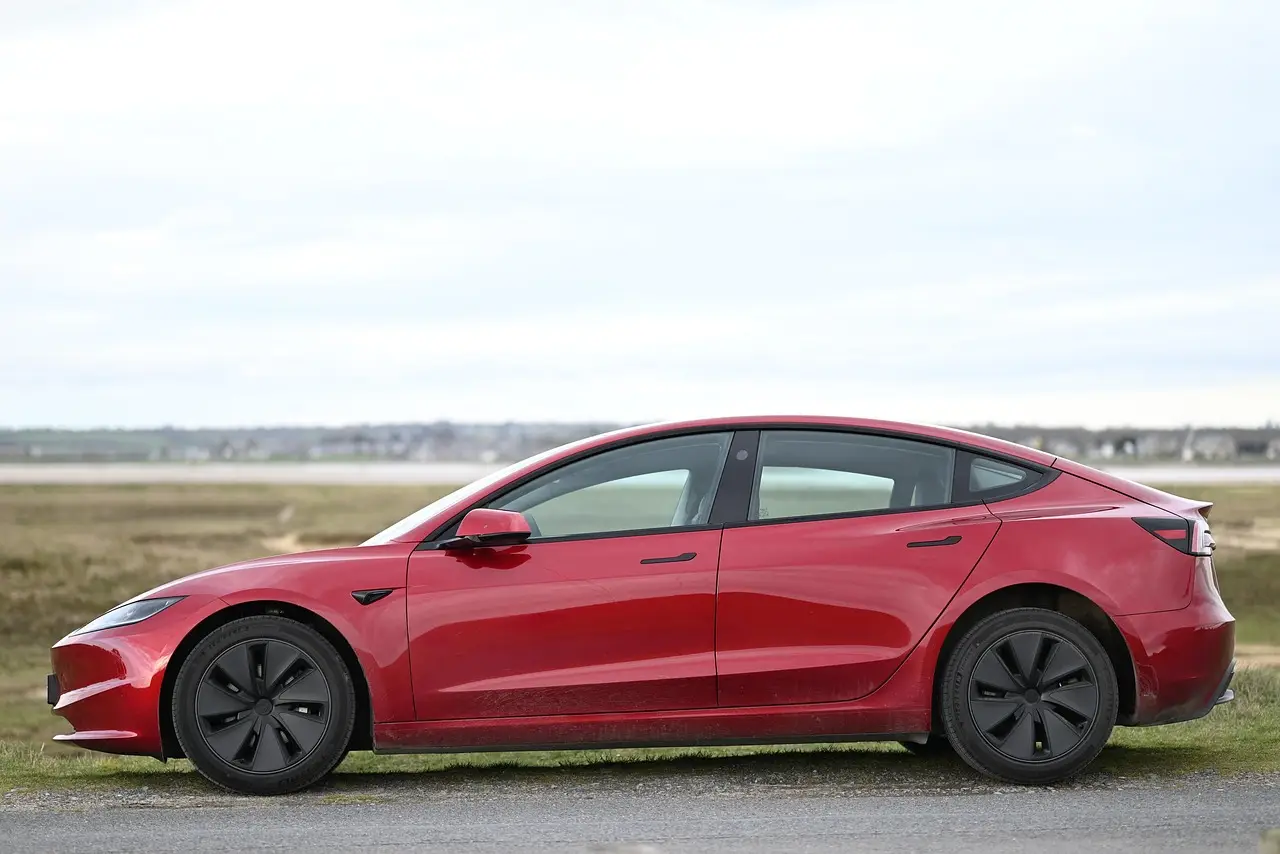
Tesla faces a widening gap between its marketing and its own documentation. The company is promoting Full Self-Driving (FSD) Supervised software as a mobility solution for senior citizens, while its own support pages state that no FSD feature can replace an attentive driver at the wheel. The fine print matters: the National Highway Traffic Safety Administration (NHTSA) opened an investigation last year into FSD-engaged Teslas running red lights and driving against the proper direction of travel on public roadways.
What is Tesla actually claiming?
In July, Tesla posted a video of a 93-year-old San Diego resident named Lois using a red Tesla equipped with FSD Supervised to make road trips to see her family and run errands. "I don't have to wait for someone, and it's been a wonderful experience," Lois said to the camera after a montage of her visiting her grandchildren and smiling at the beach.
Elon Musk wrote on X that Tesla self-driving "enables safer mobility for senior citizens." Tesla, which is rolling out a new version of the software, reposted a March video of an 87-year-old woman testing an FSD-equipped Cybertruck and declared that "FSD Supervised can give you back your freedom." The company has promoted the software, which can change lanes and make turns, as a way for seniors to keep their independence.
Why does the name say 'Supervised'?
Tesla added the word to the product name after California regulators accused the company of misleading customers about what the software could do. FSD Supervised still requires a driver to monitor the road at all times. Tesla itself has cautioned that none of the software's features can replace an attentive person at the wheel.
That condition creates a safety dilemma for older drivers who are turning to FSD Supervised as their driving abilities decline. Some legal experts now question whether marketing the system to that group is defensible at all.
"A technology that requires a capable driver to supervise it should not be marketed as a magical mobility solution for drivers who aren't capable of safely driving without it," Angel Reyes, a Texas-based personal injury attorney, told Fortune.
How safe are older supervisors?
FSD Supervised depends on the driver being able to spot and react quickly to hazards. Research suggests age works against precisely that. A University of Iowa study last year found drivers ages 75 to 84 were more likely to be responsible for crashes involving right turns compared with drivers ages 45 to 64, a finding the researchers linked to reduced physical flexibility or worsened eyesight. The same age group was also more likely to be at fault in crashes at traffic signals, which the study's lead author attributed to declining vision or slower reaction times.
"The seniors who would benefit most from a car that drives itself are often the ones least able to supervise one," Brian White, a personal injury trial lawyer who handles car crashes, told Fortune. "If someone is relying on it because of slower reactions, vision loss or memory problems, those same limits make them a poor backup for the software."
What is the regulator looking at?
Tesla's automated-driving record has already drawn scrutiny. Fortune previously reported that Tesla's robotaxi fleet in Austin recorded 14 crashes over 800,000 miles driven — one crash for every 57,000 miles, roughly eight times the average crash rate of American drivers recorded by NHTSA.
The NHTSA investigation identified six reports of crashes involving an FSD-engaged Tesla running a red light and colliding with other cars in the intersection. Four of those crashes produced one or more reported injuries. The agency will examine "whether there was prior warning or adequate time for the driver to respond to the unexpected behavior or to safely supervise the automated driving task."
What is the liability exposure?
White sees a direct liability risk for Tesla if its marketing leads older drivers to place too much trust in the system. He pointed to a live legal precedent. A Miami jury ordered Tesla to pay $243 million last year after finding its more basic driver-assistance system, Autopilot, partly responsible for a fatal crash. A federal judge upheld the verdict in February, and Tesla has appealed.
"A company that markets a feature in a way that leads people to trust it too much can share responsibility," White said.
Tesla did not respond to Fortune's requests for comment.
What should finance desks take from this?
The pattern is familiar: revenue-adjacent marketing running ahead of both engineering reality and regulatory tolerance. The $243 million Autopilot verdict survived a judicial review in February. The NHTSA probe, the California naming dispute and the robotaxi crash-rate data all point the same direction. The senior-driver campaign adds a new variable — a marketing claim aimed at the demographic least equipped to satisfy the software's supervision requirement. That is a fact a jury may one day be asked to weigh.
Audit trail
- Tesla's July video features a 93-year-old using FSD Supervised; its support pages say no FSD feature replaces an attentive driver.
- NHTSA identified six red-light crashes involving FSD-engaged Teslas; four caused injuries.
- A Miami jury ordered Tesla to pay $243 million over a fatal Autopilot crash; a judge upheld the verdict in February and Tesla has appealed.
- Tesla's Austin robotaxi fleet logged 14 crashes over 800,000 miles, about eight times the average US driver crash rate.
- University of Iowa research found drivers 75-84 more likely to be at fault in right-turn and traffic-signal crashes than drivers 45-64.
via fortune.com/feed/ (Source)
More from Sophie Lindqvist
Show full bio
Market editor covering technology and product news in corporate finance and the leaders who run it at CFO Observer.
265 articles
Cross-references
- Tesla’s Cybertruck Wind-Down Puts Cybercab in the Driver’s Seat
- California Calls Waymo Robotaxis an 'Imminent Hazard,' Pulls Them From Freeways
- Tesla's Cybertruck Wind-Down Leaves Some Buyers With Refunds
- Tesla's Optimus, Amazon's Robot Fleet and the Wageless Workforce
- Tesla Misses on Earnings as Free Cash Flow Turns Negative